Gold and silver both shine in a precious-metals portfolio, but they play very different roles. Gold is the defensive anchor, prized for stability and central bank demand, while silver is the higher-risk, higher-reward bet, driven as much by industry as by investors. With the gold-silver ratio near 64 to 1 in mid-2026, after silver's dramatic 46% slide from its January peak, the question of which to buy is as live as ever.
The honest answer for most investors is "both," but in different proportions and for different reasons. Here is how to think about it.
How They Differ
The two metals look similar but behave differently across every dimension that matters to an investor.
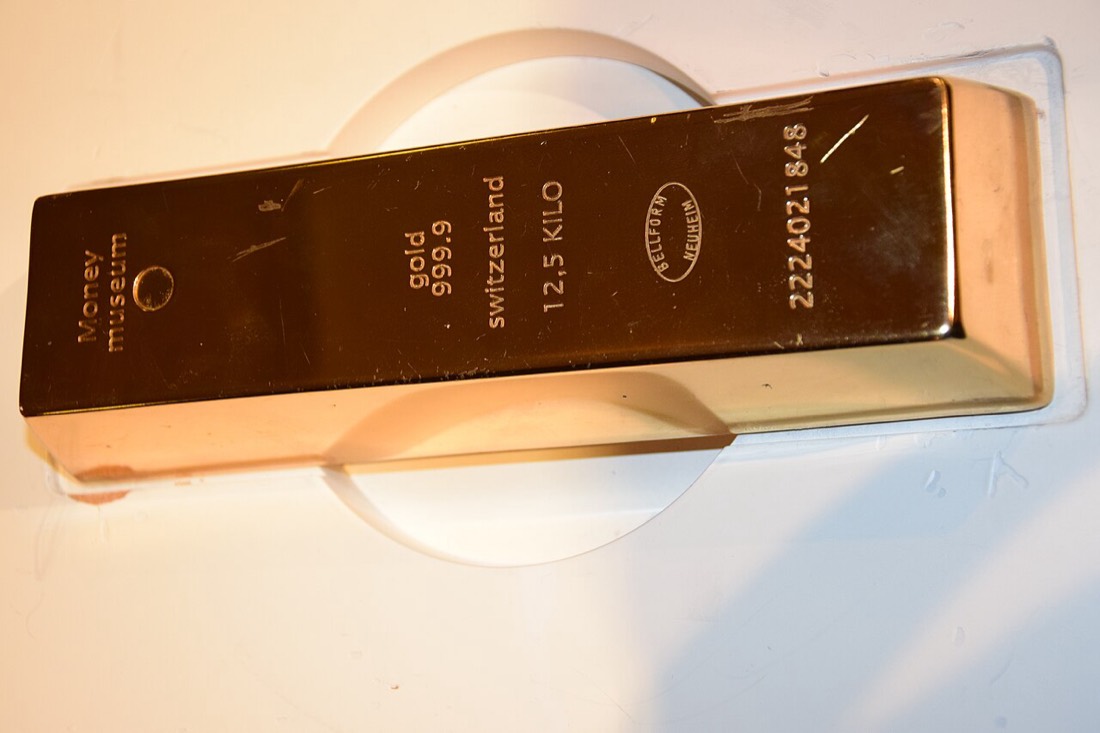
The core distinction is this: gold is money that central banks hoard, while silver is a metal the economy consumes. That makes gold a purer hedge and silver a hybrid of hedge and industrial bet.
The Case For Gold
Gold's appeal is stability and trust. Central banks bought about 863 tonnes of gold on a net basis in 2025, their 15th straight year of net buying, a structural source of demand that silver simply does not have. When fear rises, money flows to gold first, and its lower volatility makes it easier to hold through turbulent times.
The trade-off is that gold's steadiness also caps its explosive upside. It protects wealth more than it multiplies it. For the defensive core of a portfolio, that is exactly the point. You can follow the metal's daily moves on our gold price today page.
The Case For Silver
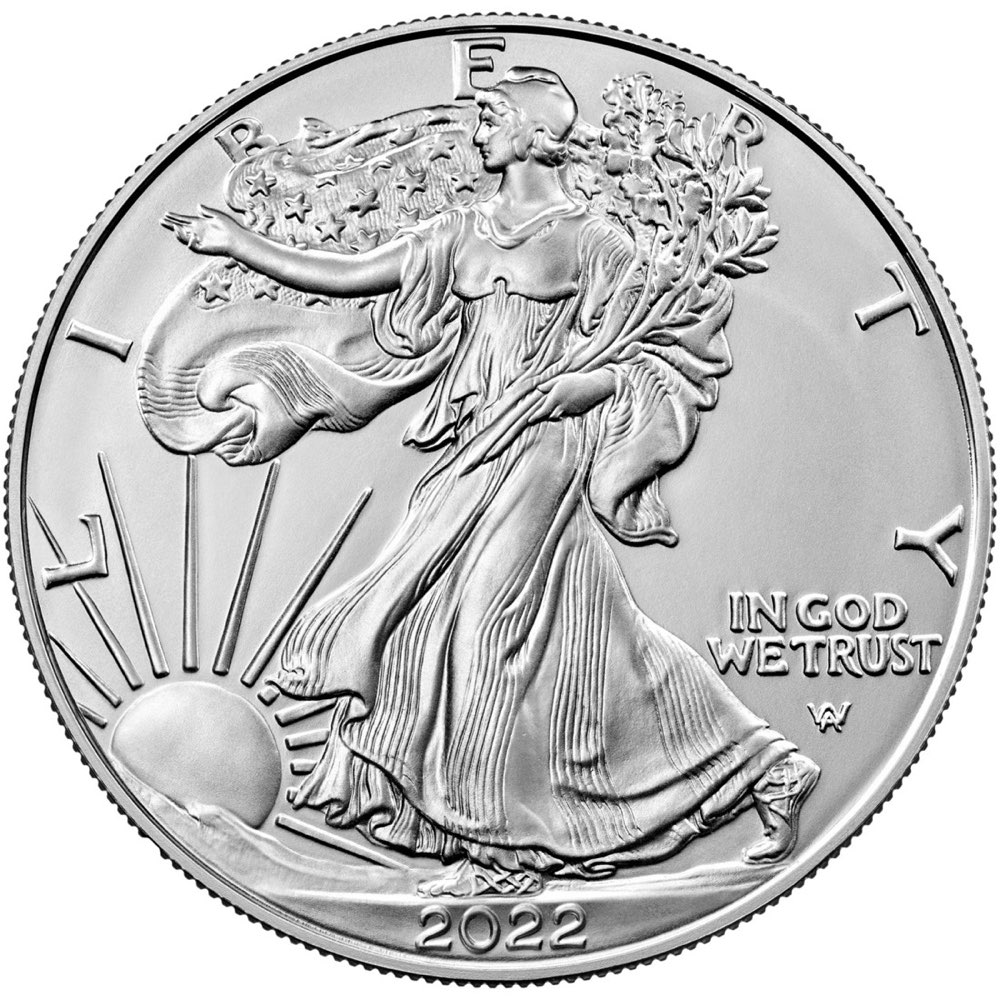
Silver offers something gold cannot: industrial growth. Around half of silver demand comes from industry, including solar panels, electronics, and AI data centre hardware, and much of it is consumed permanently rather than recycled. As solar installations and AI build-outs accelerate, that demand is a structural tailwind.
The catch is volatility. Silver moves two to three times as hard as gold, which is thrilling in a rally and brutal in a correction, as its 46% fall from $121.64 in January 2026 to around $65 by mid-year showed. Silver rewards conviction and punishes panic.
Using The Gold-Silver Ratio
The gold-silver ratio is the classic tool for deciding which metal looks cheaper. At around 64 to 1 in mid-2026, the ratio sits near its long-run average, suggesting neither metal is dramatically mispriced relative to the other right now.
History offers rough signposts: a ratio above 80 to 1 has often preceded silver outperformance, as silver catches up to gold, while a ratio below 50 to 1 has tended to signal silver is overextended. With the ratio near the middle, the choice is less about relative value today and more about your goals and risk appetite.
So Which Should You Buy?
For most investors, the answer is a blend. Use gold as the stable, defensive anchor and silver as a smaller, higher-risk position for extra growth, sized to how much volatility you can stomach. Indian investors can access both through gold and silver ETFs on the NSE and BSE, as well as physical metal, and our guide on how to invest in gold in India walks through the gold formats in detail.
The mistake is treating them as interchangeable. They are not. Gold preserves; silver amplifies. Knowing which job you want done is the first step to choosing between them.