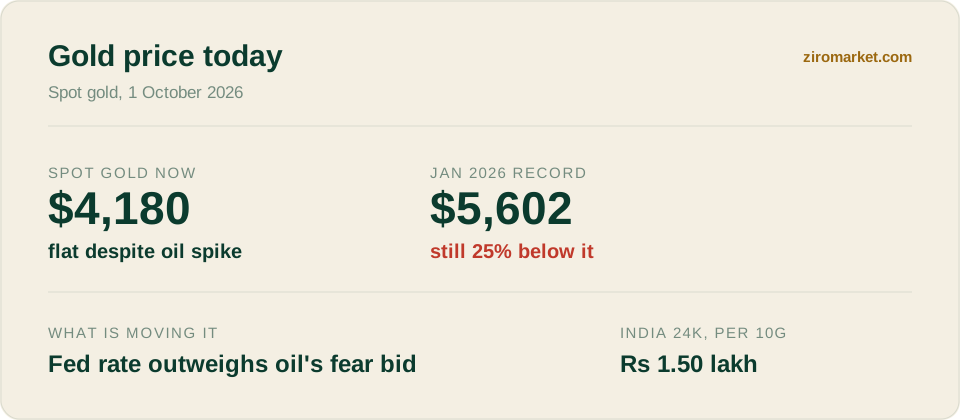
Gold and the oil shock went in different directions this week, which is the real story. Spot gold traded around $4,180 an ounce on 1 October 2026, little changed from about $4,200 on 30 September, even as Brent crude jumped 4.4% to $102.31 on reports of a third US aircraft carrier heading toward the Middle East.
That divergence is worth sitting with. A fresh geopolitical escalation would normally add a safe-haven bid to gold, but the Federal Reserve's elevated policy rate has been the bigger force on the metal for weeks now, and this time it simply absorbed the new oil-driven fear premium rather than letting it show up in the gold price.
Why didn't gold rise with the oil shock?
Because rates have been doing more work than fear for weeks. Brent crude jumped 4.4% to $102.31 on 1 October on reports that a third US aircraft carrier is heading toward the Middle East and that China halted fuel exports, the kind of headline that has pushed gold higher earlier in the year. Our crude oil price today page covers that move in full.
The rate side has not changed. The Federal Reserve raised its target range to 3.75% to 4.00% on 16 September 2026 and projected a policy rate near 4.1% through 2027, which is the textbook headwind for a metal that pays no interest. With that headwind still in place, a single day of fresh geopolitical risk was not enough to move the price much.
What is still supporting gold
Two demand sources are not rate sensitive. Central banks bought about 863 tonnes of gold on a net basis in 2025, a fifteenth consecutive year of net purchases, a reserve policy decision rather than a yield trade, as our central banks buying gold piece explains.
The second is the sanctions law still working through its window. A law authorising tariffs of up to 100% on the biggest buyers of Russian energy, with a decision due around 18 October, is the kind of policy risk that keeps reserve managers interested in an asset nobody can freeze or tariff, regardless of what the daily fear trade is doing.
What it costs in India
The rupee did not fully offset the small dollar-price dip this time. 24K gold was quoted around Rs 1,49,580 per 10 grams on 1 October 2026, close to Rs 14,958 a gram, even with the rupee weakening to about 96.3 to the dollar on the same oil-driven pressure.
That gap between the dollar price and the local price is the single most misunderstood thing about buying gold in India. Our gold rate today in India page tracks the city-level rates, how to invest in gold in India covers the formats worth using, and gold vs silver in 2026 compares the two metals.
What to watch
The first is whether the carrier build-up near Iran escalates further, since a confirmed strike rather than a troop movement would be a more direct test of whether gold still responds to fear at all.
The second is the Reserve Bank of India's 7 October decision and the Federal Reserve's 27 to 28 October meeting, since both central banks set the rate backdrop gold has to compete against.
The third is Indian festive demand, which runs from late September through Diwali, the seasonal support under local premiums covered in our gold this festive season piece.
Risks to monitor
The second risk is currency specific to Indian buyers. A rupee recovery would cut local gold prices even if the dollar price held, so an Indian investor is taking a currency position alongside a metal position whether they intend to or not.
The third is the rate side flipping. A dovish signal from the Fed's late-October meeting would remove the headwind that absorbed this week's fear premium, and gold could catch up on both drivers at once. This is general information, not investment advice.
Gold at $4,180 while oil jumps to $102 is a reminder that the two do not move in lockstep. For now, the Fed's rate stance is the bigger force on the gold price than the Gulf is, which may not stay true if the carrier build-up turns into something more than a headline.