India's primary market is heading into one of its busiest stretches in years, and the headline act is the exchange where most of the action happens. The National Stock Exchange filed its draft red herring prospectus with SEBI on June 17, 2026, for what was then billed as India's largest-ever IPO (it was finally sized at Rs 22,562 crore, second only to Hyundai Motor India), joining a deep 2026 pipeline that includes Curefoods, Milky Mist, Vikram Solar, and Duroflex. After a long drought of marquee listings, a wave of recognisable names is lining up to go public.
The mix is telling. It spans a financial-market operator, consumer food brands, clean-energy manufacturers, and household goods companies, a spread that shows confidence across very different parts of the economy. For investors, it means a packed calendar of decisions over the coming months.
Update, 4 September 2026: SEBI has cleared the NSE IPO. The price band is expected around 11 September at a reported Rs 2,000 to Rs 2,300 per share, subscription from about 15 September and listing by roughly 25 September, at a valuation near Rs 5.2 lakh crore. See our NSE IPO timeline and the NSE vs BSE valuation comparison.
Before applying to anything in this pipeline, it is worth understanding the number everyone quotes and nobody stands behind: our what GMP actually tells you explainer covers grey market premium and where it misleads.
What Happened
The NSE filing is the centrepiece. The exchange filed its DRHP on June 17 for an offer of roughly 6 percent of the company, aiming to raise around Rs 30,000 to 32,000 crore at an implied valuation near Rs 5 lakh crore. Because an exchange cannot list on its own platform, NSE plans to list on the rival BSE. The listing ends a years-long delay caused by governance and regulatory issues that have since been worked through.
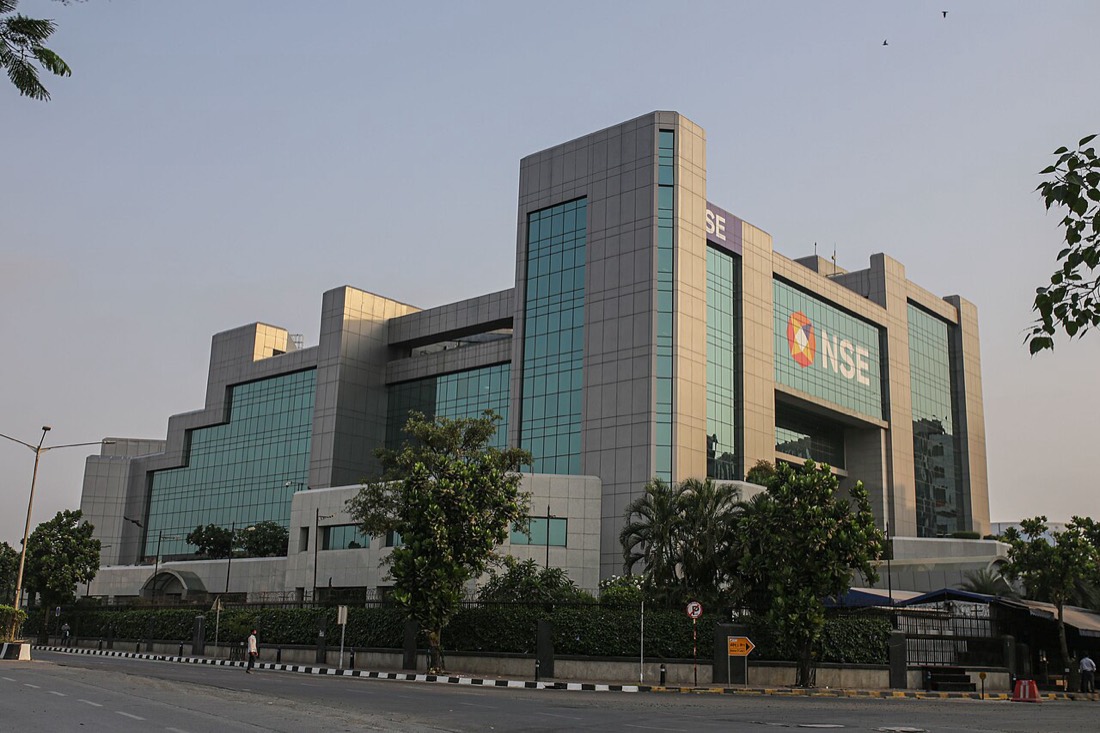
Around it sits a crowded queue. Cloud-kitchen company Curefoods, dairy brand Milky Mist, solar manufacturer Vikram Solar, mattress maker Duroflex, Satvik Green Energy, and Kanodia Cement have all submitted draft papers to SEBI. The pipeline reaches across consumer brands, food, cement, and renewable energy, rather than clustering in a single hot sector, which suggests broad-based rather than narrow enthusiasm for public listings.
The process from here is mechanical but not instant. SEBI reviews each DRHP and issues observations, usually within about 30 days, after which the company files an updated prospectus and picks a launch window. The gap between filing and listing typically runs two to four months, so much of this pipeline points to listings in the second half of 2026.
Why This Matters for Investors
A busy IPO market is a sign of confidence, but it cuts both ways. Companies and their backers tend to launch IPOs when they believe valuations are attractive for sellers, which means investors must judge each issue on price rather than assume that a famous name guarantees a good investment. The 2026 pipeline includes strong businesses, but strong businesses can still be offered at stretched valuations.
The NSE listing carries extra weight because of what the company is. As the dominant equity exchange and the world's largest derivatives exchange by volume, NSE earns fees on a huge share of Indian trading activity. A listed NSE would give investors direct exposure to the growth of Indian capital markets themselves, a rare and structural way to bet on rising participation in equities. At a valuation near Rs 5 lakh crore, it would enter among India's most valuable listed firms.
The consumer names tell a different story about India's economy. Curefoods and Milky Mist are bets on changing food habits and the formalisation of the food business, while Duroflex rides rising discretionary spending on the home. These are ways to invest in the India consumption story through brands many investors already know as customers.
Market Reaction
The pipeline has built steadily through 2026, and the NSE filing was widely anticipated, so it was less a surprise than a confirmation of timing. As of mid-June, the secondary market was being driven by the US-Iran ceasefire and global cues rather than primary-market news. A healthy secondary market is the precondition for a strong IPO season, since weak benchmark indices tend to cool investor appetite for new issues.
Grey-market chatter and anchor-investor interest will offer early signals once each issue dates its launch. In past cycles, heavily anticipated IPOs have seen strong oversubscription, though listing-day performance has been mixed, with some popular issues fading after an initial pop.
What Investors Should Watch
The first thing to watch is the valuation each company sets when it prices its issue. A great company at a demanding price can still be a poor investment, so the price-to-earnings and price-to-sales multiples at the offer matter more than the brand. Compare each issue to already-listed peers before deciding.
The second is SEBI's review timeline, which sets the launch calendar. Observations issued quickly point to listings clustering in the second half of 2026, which could split investor money across many issues at once and affect subscription levels.
The third is the NSE pricing specifically, since its sheer size could absorb a large amount of investor capital. A mega-issue can crowd out smaller IPOs competing for the same pool of money, affecting how the rest of the pipeline is received. NSE's FY26 profit also fell 15.5% to Rs 10,302 crore as SEBI's derivatives curbs cut volumes, a wrinkle our NSE IPO deep dive works through.
Risks to Monitor
The clearest risk is a market downturn. IPO windows close fast when benchmarks fall, and a renewed flare-up in the Iran situation or a hawkish surprise from global central banks could freeze the pipeline midway. Several of these companies may delay rather than launch into a weak tape.
Valuation risk runs through the whole list. A crowded pipeline can tempt sellers to price aggressively while sentiment is warm, leaving listing-day buyers exposed if growth disappoints. The history of Indian IPOs includes plenty of debuts that struggled to hold their offer price.
Company-specific risks vary widely, from profitability questions at younger consumer businesses to policy dependence at solar manufacturers. Each prospectus deserves its own reading rather than a blanket view of the pipeline.
A loaded IPO calendar is good news for choice and bad news for discipline. The opportunity in 2026 is real, but so is the temptation to chase familiar names without checking the price tag, and the next few months will reward investors who can tell the two apart.