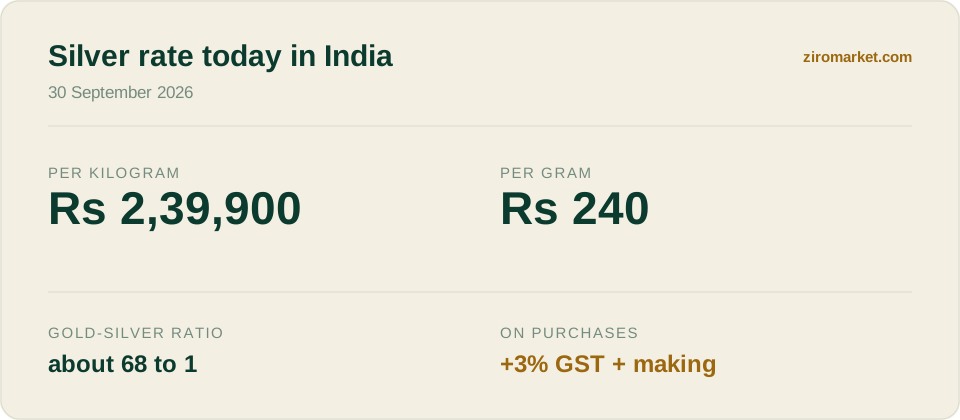
Silver in India is sold by the kilogram, and the rate moves every trading day with international prices and the rupee. As of 1 October 2026, the silver rate in India is about Rs 2,39,900 per kilogram, or roughly Rs 240 per gram, holding steady even as Brent crude jumped back to $102.31 a barrel on a fresh Gulf escalation report. It remains a favourite for both jewellery and investment, from coins to exchange-traded funds.
For buyers, the headline rate is only part of the cost. GST and making charges sit on top, so the final bill for silver jewellery, coins, or utensils is always higher than the quoted rate.
Silver Rate by Weight
Silver is quoted per kilogram in India, but it helps to see the rate across common weights. Here is the snapshot for 1 October 2026.
Rates vary across cities because of local taxes, transport, and dealer margins, and the spread between cities can be wide, so treat these as indicative rather than exact.
Why the Rate Moves
The Indian silver rate is set by three big forces. The international silver price, quoted in dollars per ounce, is the biggest driver, and at about $60.50 an ounce on 1 October 2026 it held roughly steady even as Brent crude jumped back toward $102 on a fresh Gulf escalation report. When global silver rises, Indian rates follow within a day.
The second force is the rupee. Since India imports most of its silver, a weaker rupee makes silver more expensive in rupee terms even if the dollar price is flat, adding to the local rate when global prices rise, with the rupee near 96.3 to the dollar as of 1 October 2026.
The third is silver's dual role. Silver is both a precious metal and an industrial one, used heavily in solar panels and electronics, so factory demand and the green-energy build-out influence its price alongside investment demand. That industrial link makes silver more volatile than gold.
What It Means for Buyers
For jewellery and coin buyers, the key is to look past the headline rate. A 3% GST and making charges mean your final cost is above the quoted silver price, so comparing making charges between dealers matters. Coins and bars carry lower making charges than intricate jewellery or utensils.
For investors who want silver purely as an asset, silver ETFs on the NSE and BSE track the price without storage hassle or making charges. Given silver's volatility, it usually suits a smaller, higher-risk slice of a portfolio, and pairs naturally with a steadier gold holding. Our silver price in 2026 analysis covers the international outlook and forecasts, our why silver gave back the rally piece explains the recent move, and our gold rate today in India page tracks the yellow metal.
What To Watch
The first thing to watch is the international silver price, since it sets the direction for Indian rates. Gold and silver both shrugged off this week's jump in Brent to $102.31, so whether a confirmed escalation near Iran eventually forces the fear premium back into precious metals is the thing to watch through October.
The second is the rupee. A sharp move in the rupee can swing Indian silver rates independently of global prices, so currency news matters for silver buyers too, especially with the rupee within a rupee of its record low.
The third is industrial demand. Because silver is a key solar and electronics input, the pace of the green-energy build-out is a structural driver that can support prices even when investment demand is weak.
Silver at Rs 2.40 lakh per kilogram held steady this week even as the Gulf tension it usually tracks got worse, the normal behaviour of a metal pulled between a factory order book and the same macro forces moving every precious metal. Where it goes next depends on the same forces, the dollar, the Fed, and industrial demand, that always drive it. Knowing the live rate, the weight, and the charges on top is the difference between a good deal and an expensive one.