There is one number underneath most of what Indian markets have done this quarter, and it is not the Nifty or the rupee.
The US 10-year Treasury yield reached about 5.041% in mid-September 2026, its highest level since July 2007, and stayed near 5% after the Federal Reserve raised its policy rate to 3.75% to 4.00% on 16 September.
That yield is the closest thing global finance has to a price of safety. When the safest available return rises, every riskier asset has to justify itself against a higher bar, and that arithmetic reaches Mumbai without anyone in Mumbai voting on it.
Why the yield went up
Three forces, pulling together for once. Oil above $100 a barrel since early September has raised expected inflation, the Federal Reserve has moved from cutting to hiking, and heavy capital investment, much of it tied to AI infrastructure, has increased the demand for funding.
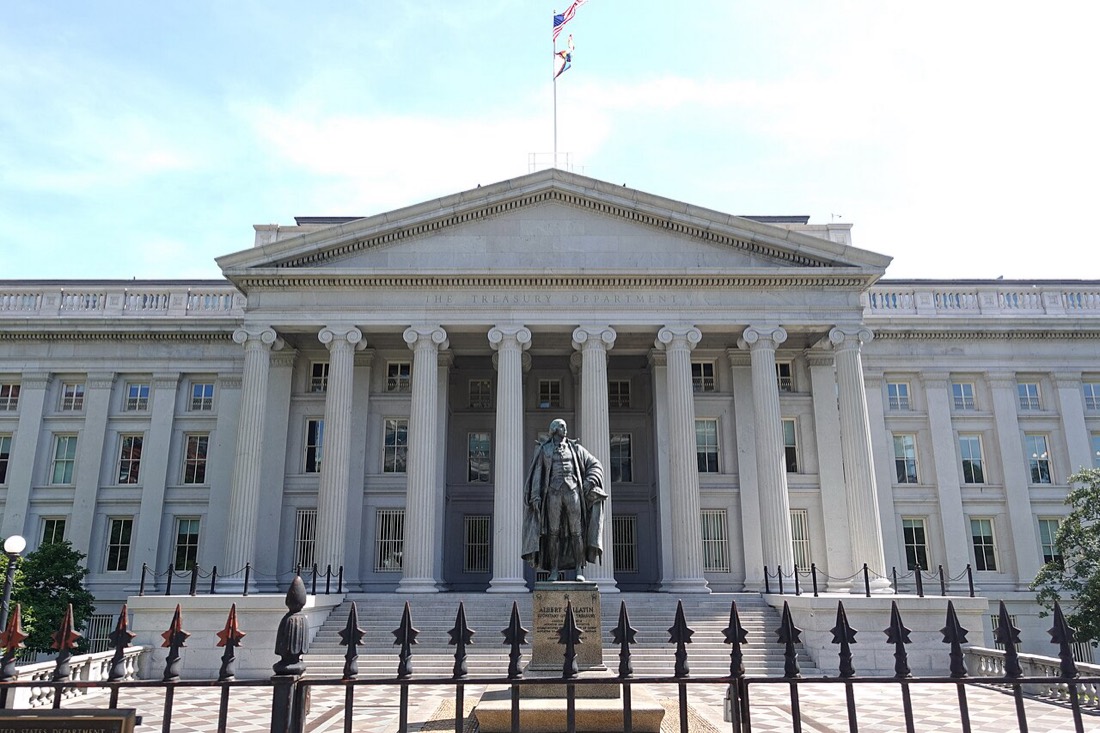
The supply side matters too. The US Treasury's plan to buy $6 billion of long-dated paper earlier in September did not calm the market, which told investors something about how much new issuance the market is being asked to absorb.
How a US yield becomes an Indian problem
The channels are indirect, and they compound.
The valuation channel is the one most often misunderstood. A higher discount rate reduces the present value of cash flows that arrive far in the future, which is why expensive growth stocks usually feel it before cyclical or dividend-heavy ones. It is a mathematical pressure on price, not a judgement on the business.
A rising risk-free rate does not make Indian companies worse. It makes the alternative to owning them better.
What it is not
It is not a rule that Indian equities fall when US yields rise. There have been stretches where both rose together, because domestic earnings growth was strong enough to outweigh the flow pressure, and stretches where the relationship held tightly. The honest description is a tendency with exceptions, and the exceptions usually depend on what Indian earnings are doing at the time.
It is also not a one-way door. The same mechanism that pressures assets on the way up supports them on the way down, which is why a sustained fall in oil, or evidence of slowing US growth, tends to show up as relief in emerging markets before it shows up anywhere else.
What investors should watch
The first is whether 5% holds rather than the fact that it printed. A yield that spikes and retreats changes little. A yield that settles above 5% for a quarter starts to reprice corporate financing plans, including for Indian issuers raising money overseas.
The second is the shape of the move. Yields rising because growth is strong is a different environment from yields rising because inflation expectations are building, and the second is the less comfortable version for equities. The current mix leans towards the inflation explanation, given the energy shock.
The third is the rupee rather than the Nifty. The currency absorbs this pressure first and most visibly, and the Reserve Bank of India has been selling dollars to slow the move, with reserves at $780.78 billion in mid-September, near the record $785.7 billion, covered on our rupee versus dollar page.
The fourth is what it does to assets that pay no income. Gold and bitcoin compete directly with a risk-free yield, which is part of why gold has struggled to hold gains through this move despite an active war, a mechanism our why gold fell when the war restarted piece sets out, and why crypto has traded on rate expectations more than on its own news cycle.
The fifth is Indian corporate borrowing plans. Companies that were expecting to refinance abroad face a different cost structure than they modelled a year ago, and the ones with dollar debt and rupee revenue carry both problems at once.
Risks to monitor
The second risk is concentration. Higher global rates tend to hurt exactly the parts of the Indian market that have led it, including high-multiple growth names, so index-level commentary understates the dispersion underneath.
The third is refinancing timing. Debt does not reprice all at once, it reprices as it matures, so the effect of today's yields on Indian corporate interest costs will show up gradually over the next several quarters rather than in this one's results. This is general information, not investment advice.
The useful way to hold this is not as a prediction. It is as context: for as long as the safest asset in the world pays about 5%, everything else in a portfolio is being asked to explain why it deserves the money instead.