For decades India has designed chips, written the software that runs on them, and bought them by the billion, without ever making one on its own soil. That is about to change, with Tata targeting India's first home-made semiconductor by late 2026 at its Dholera fab in Gujarat, a 50,000-wafer plant built to start cutting the country's near-total reliance on imported chips. It is one of the most consequential industrial bets India has made in a generation.
Chips are the foundation of the modern economy, the tiny brains inside phones, cars, weapons, and data centres. A country that cannot make them is exposed every time global supply is disrupted, as the shortages of recent years made painfully clear. India is now moving to fix that gap.
What Happened
The centrepiece is the Tata-PSMC fab in Dholera, a partnership between Tata Electronics and Taiwan's Powerchip Semiconductor Manufacturing Corporation. The Centre notified a special economic zone for the project on April 9, 2026, and the fab is targeting first silicon by late 2026. Reaching that milestone would mark the first time semiconductors are fabricated on Indian soil.
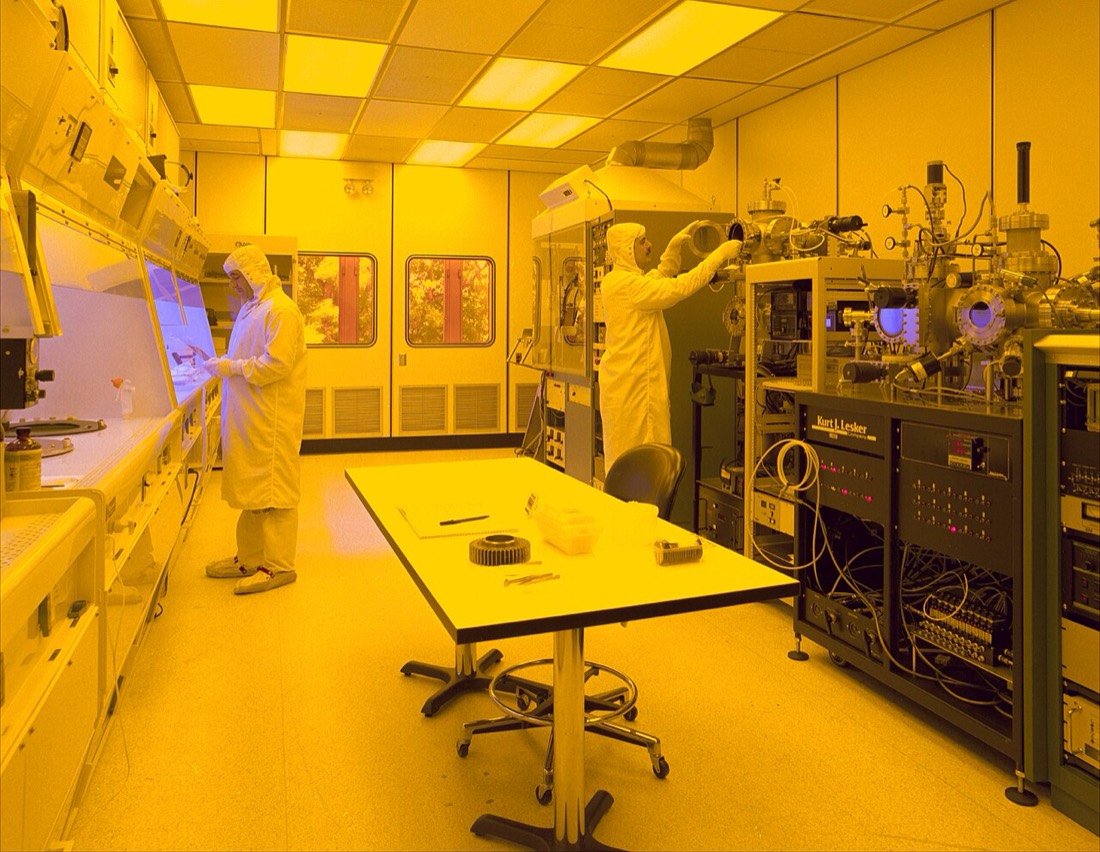
The scale is meaningful. The plant will have a capacity of 50,000 wafer starts per month, focus on 28-nanometre technology, span 66 hectares, and employ around 21,000 people. While 28nm is not the cutting edge, where the most advanced chips are made at far smaller nodes, it serves a large and commercially important slice of the market, covering high-performance computing and mainstream electronics.
The Dholera fab does not stand alone. Micron's Assembly, Test, Marking and Packaging plant in Sanand, Gujarat, an investment of around Rs 13,000 crore, was inaugurated by Prime Minister Modi on February 28, 2026. CG Semi has also been approved for an assembly and testing unit. Together these projects are building the beginnings of a domestic chip ecosystem, from fabrication to packaging, clustered in Gujarat.
The Centre notified a special economic zone for the project on April 9, 2026, and the fab is targeting first silicon by late 2026.
Why This Matters for Investors
The chip push is a long-term structural theme rather than a quick trade, and it touches several parts of the market. Companies across the semiconductor supply chain, from materials and equipment to packaging and design, stand to benefit as India builds capacity from scratch. The Semiconductor Mission, backed by large government incentives including the Rs 40,000 crore expansion announced in the 2026 budget, underwrites much of the investment risk.
For the broader economy, domestic chip production reduces a major import dependency. India spends heavily on imported electronics, and chips sit at the heart of that bill, so local manufacturing chips away at the trade deficit over time and strengthens the case for India as an electronics manufacturing hub. That supports the wider Make in India story that investors have been backing across sectors.
There is also a strategic dimension that matters for valuations. Semiconductors are now a matter of national security, and countries are racing to secure their own supply. India entering this race, even at mature nodes, positions it within a global realignment of chip manufacturing away from a handful of concentrated locations, which could attract further foreign investment and partnerships over the coming years.
Market Reaction
The semiconductor theme has drawn steady investor interest in India, with companies linked to the chip ecosystem and the broader electronics manufacturing push attracting attention. The Dholera and Sanand milestones have reinforced confidence that India's chip ambitions are moving from announcement to execution, which is what investors most wanted to see after years of plans.
That said, pure-play chip manufacturing is still nascent in India, so much of the investable exposure remains indirect, through electronics manufacturers, suppliers, and the conglomerates backing the fabs. The market is treating the theme as a multi-year build-out rather than a near-term earnings driver.
What Investors Should Watch
The first thing to watch is whether Tata hits its late-2026 first-silicon target. A successful first chip would be a powerful proof point that India can execute on fabrication, while a slip would raise questions about the timeline for the whole ecosystem. Fabs are notoriously hard to bring online, so delivery matters more than the announcement.
The assembly side is already at scale. India makes about 26% of the world's iPhones in 2026 and exported Rs 2 trillion of them in FY26, while the components inside them are still largely imported, the gap our iPhone 18 made in India piece examines.
The second is yield and demand once production starts. Making a chip is one thing, making it reliably and at commercial volumes with customers lined up is another. Watch for signs that the Dholera output finds buyers and ramps toward its 50,000-wafer capacity.
The third is follow-on investment. More fabs, more packaging plants, and deeper supplier ecosystems would signal that India's chip push is gaining real momentum, so any new project announcements or foreign partnerships are worth tracking as confirmation of the trend.
Risks to Monitor
The biggest risk is execution. Semiconductor fabs are among the most complex factories in the world, and first-time builders often face delays, yield problems, and cost overruns. India is a late entrant with limited prior fabrication experience, so the execution risk is genuine.
A second risk is the technology gap. At 28nm, India will be producing useful but not leading-edge chips, while the global frontier keeps advancing. Closing that gap requires sustained investment and expertise over many years, and there is no guarantee India climbs the ladder quickly.
A third risk is dependence on subsidies. Much of the economics rests on government incentives, and chip manufacturing is capital-intensive and cyclical. If global chip prices fall sharply or incentives are scaled back, the financial case for some projects could weaken.
India making its own chip will not, by itself, make it a semiconductor superpower. But it is the first brick in a foundation the country has never had, and in a world where chips decide economic and military power, simply being in the game is a milestone worth marking.