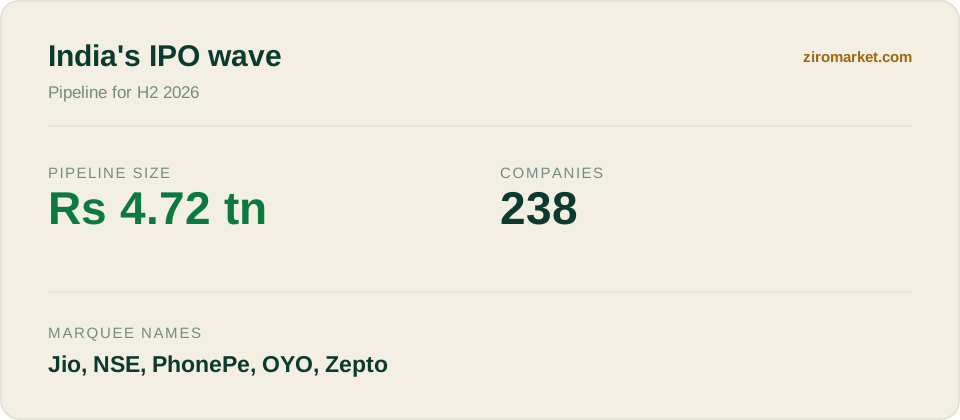
India's primary market is bracing for a deluge. The IPO pipeline for the second half of 2026 has swelled to about Rs 4.72 trillion across roughly 238 companies, one of the most active issuance periods in the country's history, led by marquee names including Reliance Jio, the NSE, PhonePe, OYO and Zepto. After a hot first half, the second half is set to test just how much new paper the market can absorb.
The scale is striking, but so is the quality of the names in the queue. This is not a rush of small issues; it is a lineup of some of India's largest and most talked-about private companies finally heading for the public market.
What Happened
The pipeline has built up to a record scale. Market estimates put around 238 companies in the queue for the second half of calendar 2026, aiming to raise about Rs 4.72 trillion between them. That would rank among the busiest stretches the Indian primary market has ever seen.
The headline names carry real weight. Here are some of the biggest expected issues.
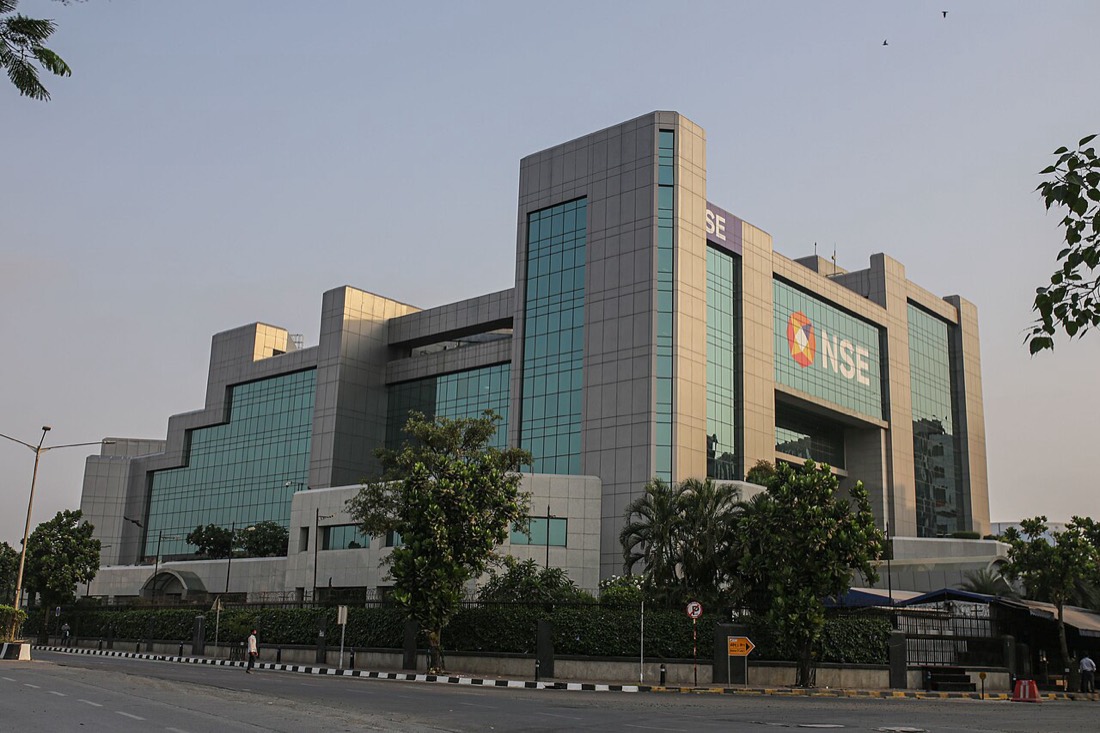
Others in the mix include Avaada Electro, Meesho, Ola Consumer, and boAt. Reliance Jio's listing is expected to be one of the largest in India's history, given the scale of its telecom subscriber base and its push into digital platforms, cloud, and AI.
Why This Matters for Investors
A pipeline this large is a vote of confidence. When founders and early investors line up to list, it usually signals that they see strong demand and favourable valuations, which points to a healthy appetite for equity. For investors, it means a rare wave of access to companies that were until now private.
The flip side is supply. A flood of large issues absorbs liquidity, and if too much paper hits the market at once, it can weigh on the broader indices and stretch valuations. Not every IPO in a hot pipeline is priced attractively, and history shows that the busiest IPO periods often coincide with fuller valuations.
The mix also matters. This wave is heavy on new-economy names, payments, quick commerce, hospitality tech, alongside financial and infrastructure plays. That gives investors exposure to India's digital and consumption growth, but also to businesses whose profitability and valuations are still being tested in public markets.
Market Reaction
The pipeline is building against a firmer market, with the Nifty holding above 24,000 this week, as covered in our Indian stock market today wrap. A stable secondary market makes it easier for large IPOs to price and list well, which is part of why so many issuers are moving now.
The near-term action is already visible in smaller issues. The Kratikal Tech cybersecurity IPO drew heavy bids, and the Knack Packaging mainboard IPO is listing this month, a warm-up for the giants to come. New to the process? Our guide on how to apply for an IPO in India explains categories, allotment, and the grey market.
What Investors Should Watch
The first thing to watch is the timing of the marquee issues. Jio and the NSE alone could soak up enormous demand, so the sequencing and sizing of these mega-IPOs will shape how much liquidity is left for the rest.
The second is pricing. In a busy pipeline, the discipline of issue pricing determines whether investors see listing gains or buy in at stretched levels, so valuation at the offer stage is the key filter.
The third is the secondary market. IPO waves depend on a stable index backdrop, so the health of the Nifty and Sensex, and the flows from domestic and foreign investors, will decide how smoothly the pipeline clears.
Risks to Monitor
The clearest risk is oversupply. If too many large issues launch together, they can drain liquidity and pressure the broader market, hurting both the new listings and existing stocks.
A second risk is valuation. A hot pipeline can tempt issuers to price aggressively, leaving less on the table for investors and raising the chance of weak listings if sentiment cools.
The third is the macro backdrop. IPO windows can close quickly if global risk sentiment turns, so the same oil, trade-deal, and rate factors driving the market also govern whether this pipeline fully materialises. This is general information, not investment advice.
A Rs 4.72 trillion pipeline is a statement of confidence in India's market, but confidence and caution have to travel together. The names heading for listing are among the country's most important companies, and how they are priced and received will say a great deal about where the market stands as 2026 enters its second half.