The single most important economic variable in India is not set by the RBI, the budget, or Wall Street. It falls from the sky. The India Meteorological Department has forecast the 2026 southwest monsoon at 92 percent of the long-period average, placing it in the below-normal category and ending a two-year run of healthy rains. For an economy where farming still employs close to half the workforce and feeds rural consumption, that number carries weight well beyond the farm.
The monsoon delivers about 70 percent of India's annual rainfall between June and September, and more than half of the country's net sown area has no irrigation backup. A shortfall does not just hurt farmers. It ripples into food prices, rural spending, and the interest rate decisions that move the entire market.
What Happened
The IMD's updated long-range forecast puts seasonal rainfall at 92 percent of the long-period average, with the below-normal band defined as 90 to 95 percent. This is a clear step down from the normal-to-above-normal monsoons of the previous two seasons, and it arrives as the season is just getting underway.
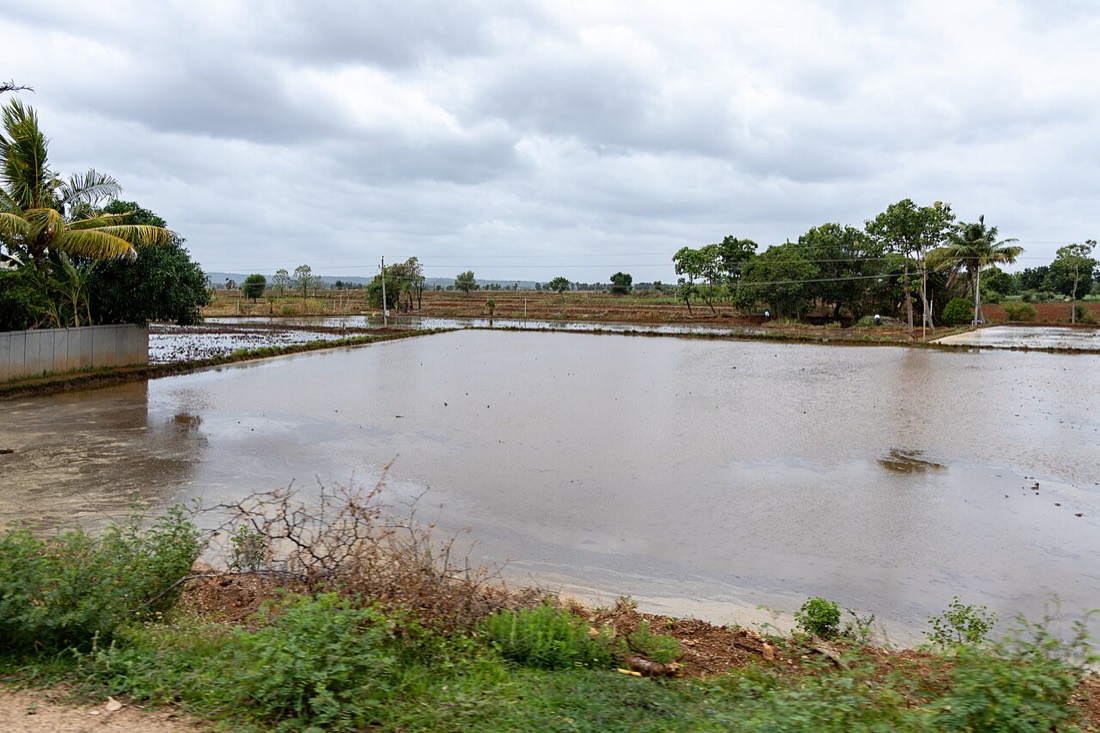
The weather drivers behind the call are a mix. Weak La Nina-like conditions are fading toward a neutral state, and the IMD flags a 61 percent probability of El Nino developing during the May-to-July window. El Nino, a warming of the Pacific Ocean, has historically suppressed Indian monsoon rainfall. The Indian Ocean Dipole is expected to stay neutral, and northern hemisphere snow cover has been below normal, another factor the IMD links to weaker rains.
The geography of the shortfall matters as much as the headline. The IMD expects below-normal rain over Rajasthan, Punjab, Haryana, and the core rainfed belts of central and western India, the same regions that grow much of the country's foodgrain. Eastern and northeastern India are expected to fare better, but that is cold comfort for the grain bowls of the north and centre.
Why This Matters for Investors
A weak monsoon hits the economy through rural incomes first. When harvests shrink, farm earnings fall, and village households cut back on everything from packaged food to motorcycles. Rural India accounts for a large slice of demand for tractors, two-wheelers, fertiliser, and fast-moving consumer goods, so a poor season pressures the order books of companies that sell into those markets.
The second channel is inflation. Food makes up a heavy share of India's consumer price basket, and items like vegetables, pulses, and cereals are the most rain-sensitive. India's May 2026 CPI came in comfortably at 3.93 percent, but a below-normal monsoon threatens to reverse that calm in the second half of the year. A food-driven jump in inflation would shrink the room the RBI has to cut rates, which matters for every rate-sensitive sector from housing to autos to banks.
The third channel is fiscal. A bad season usually triggers government support, from higher minimum support prices to rural employment spending and possible loan relief. That cushions farmers but adds to the spending bill at a time when the government is trying to hold its fiscal deficit in check.
Market Reaction
Equity markets rarely move on a single forecast, because the monsoon plays out over four months and the actual rainfall often differs from the April and June predictions. As of mid-June 2026, the Nifty and Sensex were being driven far more by the US-Iran ceasefire and the US Fed than by the monsoon outlook. The market tends to react to monsoon reality, not the forecast, with the real test coming in July and August rainfall data.
Within sectors, the pattern is familiar. Rural-heavy names in autos and FMCG tend to lag when monsoon worries build, while irrigation, water infrastructure, and select agri-input plays can attract interest as investors position for a policy response. Fertiliser stocks are a mixed case, helped by subsidy support but hurt if sowing shrinks.
What Investors Should Watch
The most useful signal is not the seasonal forecast but the monthly and regional distribution. A 92 percent season with well-timed, well-spread rain can still produce a decent harvest, while the same total delivered in erratic bursts can devastate crops. Watch the IMD's monthly updates for June, July, and August rather than fixating on the seasonal headline.
Sowing data, released through the season by the agriculture ministry, is the second signal. Acreage planted under key kharif crops like rice, pulses, and oilseeds tells you how farmers are responding on the ground. A sharp drop in sown area is an early warning for food inflation later in the year.
The third thing to track is the RBI's commentary. The central bank explicitly factors the monsoon into its inflation projections, so its tone at the August policy meeting will reveal how seriously it is taking the shortfall.
Risks to Monitor
The biggest risk is that El Nino strengthens beyond the 61 percent probability the IMD has assigned, which would deepen the rainfall shortfall and push the season toward the deficient zone below 90 percent. An El Nino surprise is the scenario that turns a manageable shortfall into a genuine food-price shock.
Reservoir levels and groundwater going into the season also matter. If storage is healthy from prior years, a weak monsoon does less damage than if the country enters the season already dry. The reverse is equally true.
Finally, global factors complicate the picture. India's edible oil and pulse imports mean that domestic shortfalls can collide with international price swings, and the 2026 Iran oil situation has already kept input costs volatile.
A below-normal monsoon is not a disaster, but it removes a tailwind the Indian economy had enjoyed for two years. The coming twelve weeks of rainfall data will decide whether 2026 is a year of mild rural caution or something the RBI and the budget have to actively manage.