The amount of money flowing into artificial intelligence has reached a scale the business world has never seen, and one company sits at the centre of it. OpenAI closed a $122 billion funding round at an $852 billion valuation in early 2026, the largest private fundraise in history, backed by Amazon, SoftBank and Nvidia, even though the company still loses money every year. It is the clearest signal yet of how far investors are willing to go on the promise of AI, and the loudest argument in the debate over whether this is a breakthrough or a bubble.
The numbers are staggering even by Silicon Valley standards. A single round larger than the entire market value of most listed companies, raised by a business that is not yet profitable, tells you how the market is pricing the AI future. Whether that price is justified is the question every investor is now asking.
What Happened
The Series G round was agreed on February 27, 2026 and finalised on March 31, raising $122 billion at an $852 billion post-money valuation. Amazon led with $50 billion, followed by SoftBank and Nvidia at $30 billion each, with other investors making up the rest. The participation of Nvidia is notable, since OpenAI is one of the largest buyers of the chips Nvidia sells, a loop where the chipmaker funds its own customer.
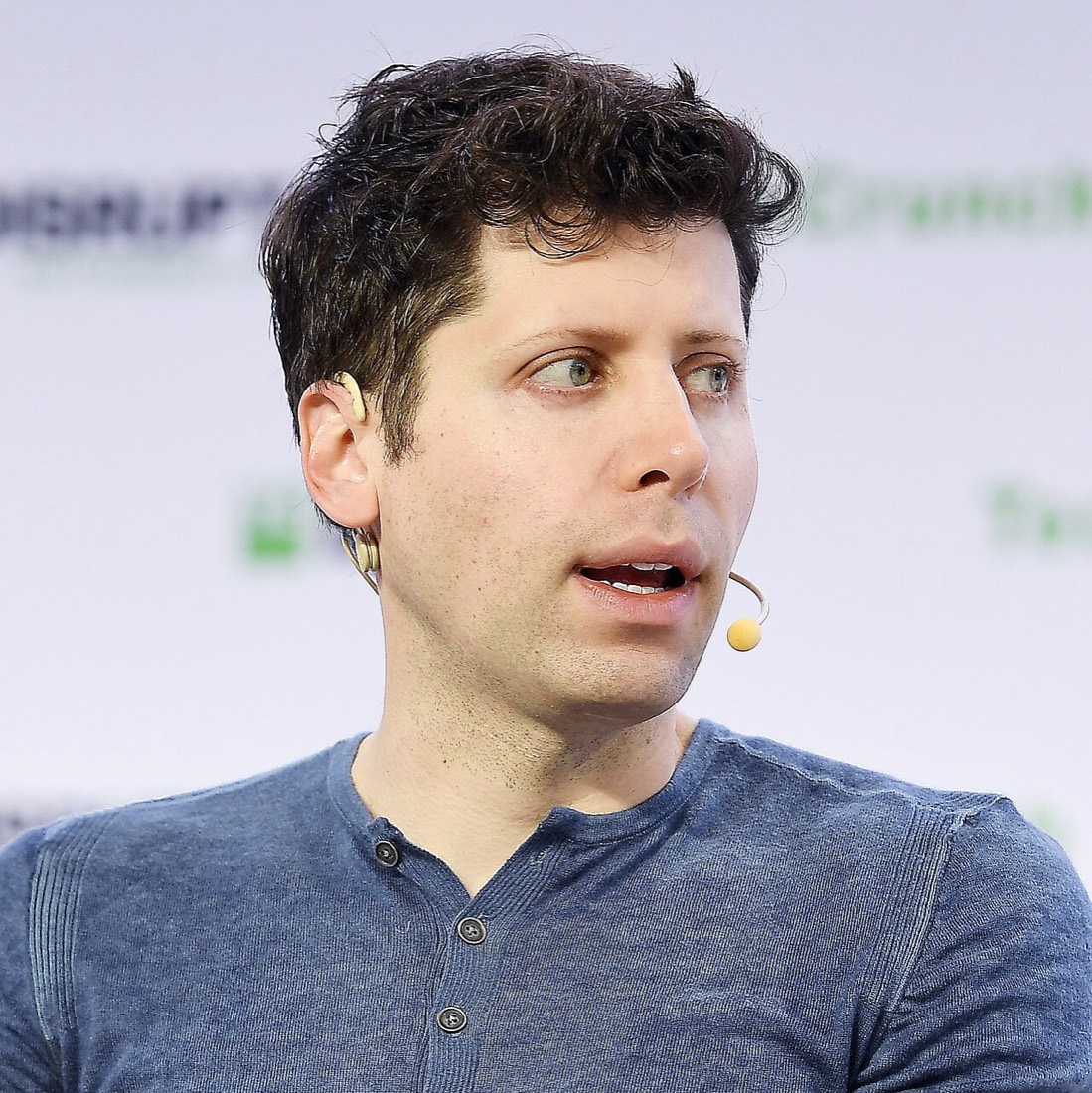
The money is needed because the costs are immense. Training and running large AI models consumes vast quantities of advanced chips and electricity, and OpenAI is racing to build more capacity even as rivals do the same. OpenAI hit an estimated $25 billion in annualised revenue by February 2026, up from $20 billion at the end of 2025, yet it remains lossmaking and continues to burn cash. The fundraise pays for the gap between what it earns and what it spends.
The user numbers explain the optimism. ChatGPT had more than 900 million weekly active users by March 2026, including over 50 million paying subscribers, making it one of the fastest-growing products ever. The competition is fierce, with Anthropic, Google's Gemini, Mistral AI, and Cohere all chasing the same prize, each backed by deep pockets.
Why This Matters for Investors
The OpenAI round is the keystone of a much larger AI spending boom that touches public markets directly. The hundreds of billions flowing into AI fund the chip orders, data centres, and power deals that drive the earnings of listed giants like Nvidia, which alone reached a $5.2 trillion valuation in 2026. When a private company raises $122 billion to buy compute, that money lands on the income statements of public companies investors can actually own.
This is also why the AI bubble debate matters for everyone, not just venture capitalists. An $852 billion valuation for a lossmaking company rests on the belief that AI revenue will eventually be enormous. If that revenue fails to materialise at the expected scale, the correction would ripple far beyond OpenAI into every stock tied to the AI build-out, including the chipmakers, cloud providers, and power companies riding the same wave.
For Indian investors, the connection is real if indirect. Indian IT firms compete and partner in this space, with TCS becoming an early systems integrator for Mistral, and the AI boom shapes demand for the services Indian technology companies sell. The valuations of US AI names also influence sentiment toward Indian tech stocks, which often move with their global peers.
Market Reaction
Private fundraises do not trade on an exchange, so there is no share price to watch, but the round rippled through public markets all the same. The scale of the raise reinforced confidence in the AI trade that has powered US indices, helping justify the elevated valuations of Nvidia and the broader technology sector through 2026.
At the same time, the round sharpened the bubble conversation. Commentators noted the circularity of Nvidia funding a major customer, and the unusual sight of a lossmaking company valued near a trillion dollars. The market has so far chosen to read the raise as validation rather than warning, but the debate grows louder with every record-breaking round.
What Investors Should Watch
The first thing to watch is OpenAI's path to profitability. The gap between $25 billion in revenue and the cost of running the business is the number that decides whether the valuation holds, so any sign that costs are coming under control, or running further out of control, will move sentiment across the AI sector.
The second is whether an OpenAI public listing eventually arrives. A company of this size and prominence going public would be one of the largest IPOs ever, following SpaceX's record listing in June 2026, and would give public investors direct access while testing whether public markets agree with the private valuation.
The third is the competitive race. If a rival like Anthropic or Google pulls clearly ahead on model quality or cost, OpenAI's dominance and its valuation could be challenged, so the relative progress of the major labs is worth tracking closely.
Risks to Monitor
The central risk is that AI revenue across the industry never grows enough to justify the trillions being invested. If enterprise customers find the productivity gains smaller than hoped, or if cheaper open-source models erode pricing, the entire sector could face a painful repricing. A lossmaking company valued at $852 billion has little room for disappointment.
There is also concentration risk in how the AI boom is financed. The same handful of giants appear repeatedly as both investors and suppliers, which means trouble at one node could spread quickly through the interconnected web of chip orders, cloud deals, and funding rounds.
Regulation is a slower-burning risk. Governments are increasingly scrutinising AI for safety, copyright, competition, and data use, and any heavy regulatory action could raise costs or limit how these companies operate.
The $122 billion round is a monument to conviction, a bet that AI will reshape the economy on a scale that makes even an $852 billion price tag look cheap in hindsight. Whether that conviction proves visionary or excessive will be the defining market story of the decade, and the answer will arrive one earnings cycle at a time.