For six months this was a one-chokepoint crisis. It is now a two-chokepoint crisis, and the second one hits the other side of India's balance sheet.
The Strait of Hormuz controls the oil India buys, and Bab el-Mandeb controls the goods India sells, and in September 2026 both are contested at once. Houthi forces seized the Red Sea port of Mocha and then the length of Yemen's Red Sea coastline, with reports placing them on Perim Island inside the strait itself.
The asymmetry matters. An oil chokepoint raises what India pays. A shipping chokepoint reduces what India earns, and until now only the first one was in play.
The two gates, and what each one carries
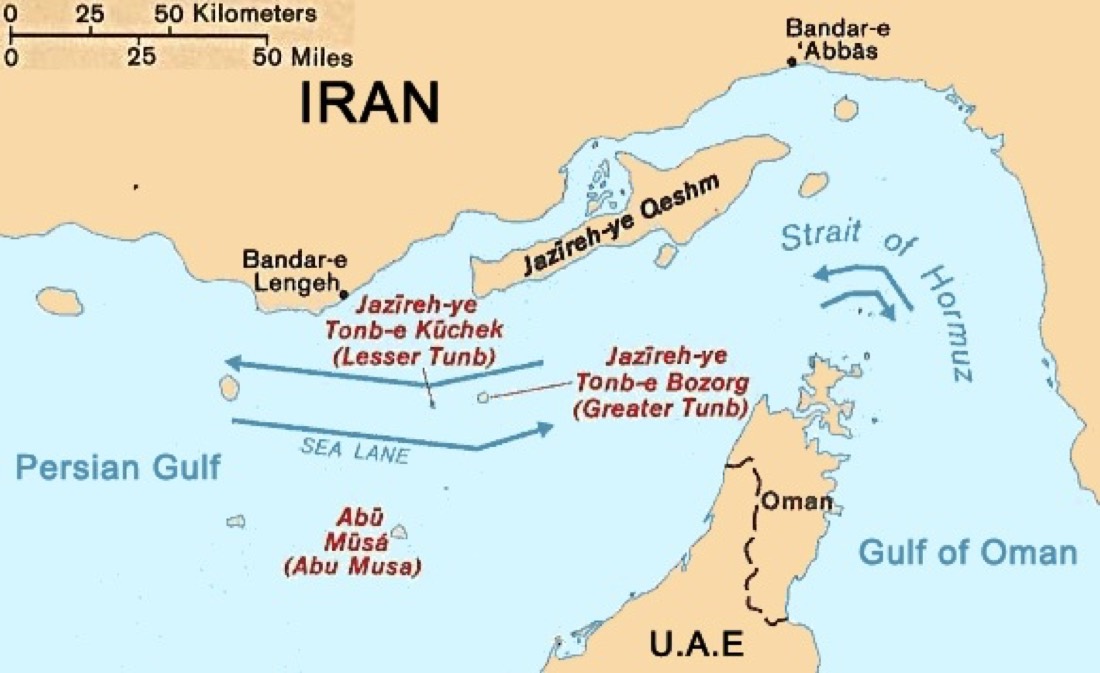
Hormuz is the inbound gate. Roughly a fifth of the world's seaborne oil normally passes through it, and India's crude import dependence crossed 90% in FY26, which is why Brent back near $107 on 15 September shows up in Indian inflation within a quarter, with August CPI already at 4.82%.
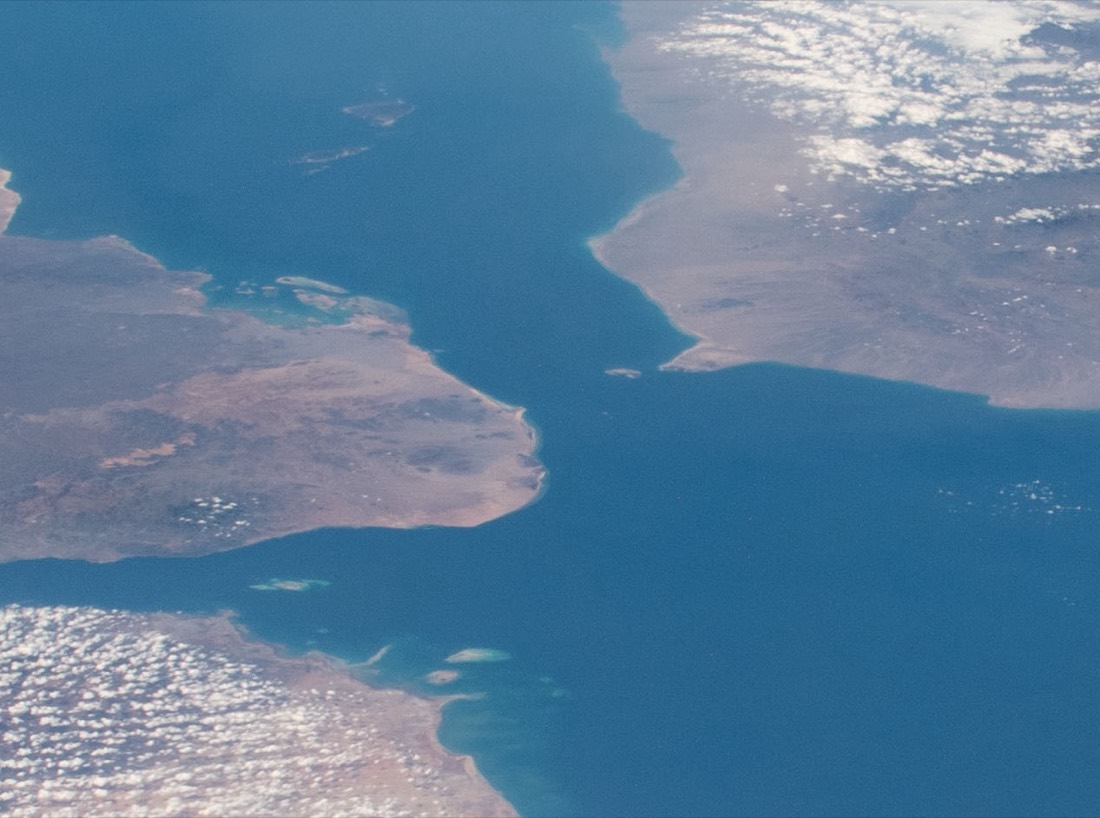
Bab el-Mandeb is the outbound gate, and it was already damaged before this month. Crude and petroleum product flows through the strait fell from 9.3 million barrels a day in 2023 to about 4.2 million barrels a day in the first half of 2025 as Houthi attacks pushed traffic around Africa.
What the detour actually costs
The number people underrate is time, not fuel. Mumbai to Rotterdam runs about 15,700 km through Suez and roughly 23,000 km around the Cape of Good Hope, which adds 10 to 15 days each way.
Then the money. Fuel spending on a Gulf to Europe tanker voyage rises from about $1.26 million to $2.87 million when it goes around Africa, and container economics tell the same story from the manufactured goods side, with Asia to Europe rates running 25% to 40% above pre-crisis levels and a premium of roughly $800 to $1,500 per 40-foot container.
Two extra weeks at sea is two extra weeks before an exporter gets paid.
Longer voyages tie up working capital, extend letters of credit, and push up war-risk insurance premiums, and for a mid-sized Indian exporter those three together often exceed the freight increase itself.
Which Indian sectors sit on which side
The inbound gate hits consumers of oil. Aviation, paints, tyres, chemicals and logistics absorb the crude price directly, a split our crude at $100 sector guide sets out, while upstream producers gain.
The outbound gate hits a different list entirely. Refined petroleum products, pharmaceuticals, textiles, engineering goods and auto components all ship to Europe and the US East Coast through Suez, and each extra week of transit reaches the profit and loss account as freight, insurance and delayed receivables rather than as a headline price.
Indian refiners are on both lists at once. They buy crude that comes through one contested strait and sell diesel and jet fuel that leave through the other.
What investors should watch
The first is whether the Salalah meeting is ever rescheduled. Oman postponed the 14 September talks after Saudi Arabia objected to amendments to the Iran-Oman corridor plan and Bahrain refused to attend. Even a successful version would fix the inbound gate and do nothing for the outbound one.
The second is whether anyone strikes the Houthis. Saudi Crown Prince Mohammed bin Salman asked the US President twice on 10 September for strikes on the movement and was refused, with intelligence and targeting support offered instead. Without external force, the Red Sea coastline stays where it is.
The third is freight and insurance rates rather than oil prices. War-risk premiums and container spot rates move before trade volumes do, and they are the honest early indicator of what Indian exporters will report next quarter.
The fourth is export data by destination. Shipments to Europe are the ones exposed to this route, and a divergence between total exports and Europe-bound exports would confirm the chokepoint is binding rather than merely expensive.
Risks to monitor
The second risk is duration. Rerouting is survivable for weeks and structural for quarters, because shipping capacity is finite and vessels spending two extra weeks per voyage effectively shrink the world fleet.
The third is concentration. Indian refiners built export businesses aimed at Europe on the assumption that Suez works, and the alternative is not a different route so much as a different customer, which takes years rather than weeks to arrange. This is general information, not investment advice.
For most of the last three decades, the cost of Indian trade was set by tariffs and exchange rates. In 2026 it is being set by two stretches of water narrower than the distance from Mumbai to Pune, and neither of them is in India's control.