A narrow stretch of sea most people never think about has become the most important thing in the Indian market. In July 2026, Iran declared the Strait of Hormuz closed and the US reimposed a naval blockade, sending oil to a one-month high, and while Western forces insist the waterway is still open, the standoff has put the nightmare scenario for an oil importer like India firmly on the table. So what would a real closure actually mean?
Start with why the Strait matters so much. It is not just another shipping lane; it is the single point of failure for a fifth of the world's oil.
Update, 13 September 2026: a second chokepoint. Houthi forces have taken the Red Sea port of Mocha and Yemen's Red Sea coastline, so Bab el-Mandeb and the Suez route are now contested alongside Hormuz. India imports through one gate and exports through the other, covered in India now has two closed sea gates.
Update, 16 September 2026: the de-escalation attempt failed. Oman postponed the 14 September Salalah meeting between Iran, Gulf states and Iraq, after Saudi Arabia objected to amendments to the Iran-Oman corridor plan and Bahrain refused to attend over missile and drone attacks on its territory. No new date has been set and Brent returned to about $107. See our two chokepoints piece.
Update, 9 September 2026: the hypothetical is now mostly real. Almost all traffic through the strait is restricted after months of US and Iranian strikes at sea, the International Energy Agency has called it the largest supply disruption in the history of the global oil market, and Brent crossed $100 a barrel for the first time since July, as our crude oil price today page covers. The US navy has escorted convoys through, including 40 vessels carrying 18 million barrels in a single wartime-high operation, and Iran has exported no oil since July under a US blockade.
India-specific context: India's crude import dependence crossed 90% in FY26 and a fifth of the world's seaborne oil passes through this strait, so a closure is the single largest external risk to the rupee, to inflation and to the Reserve Bank of India's room to cut rates. India's own crude basket reached $108.9 a barrel in early September 2026, a four-month high, and every $10 on crude is estimated to cost 20 to 30 basis points of GDP growth.
The world's most important chokepoint
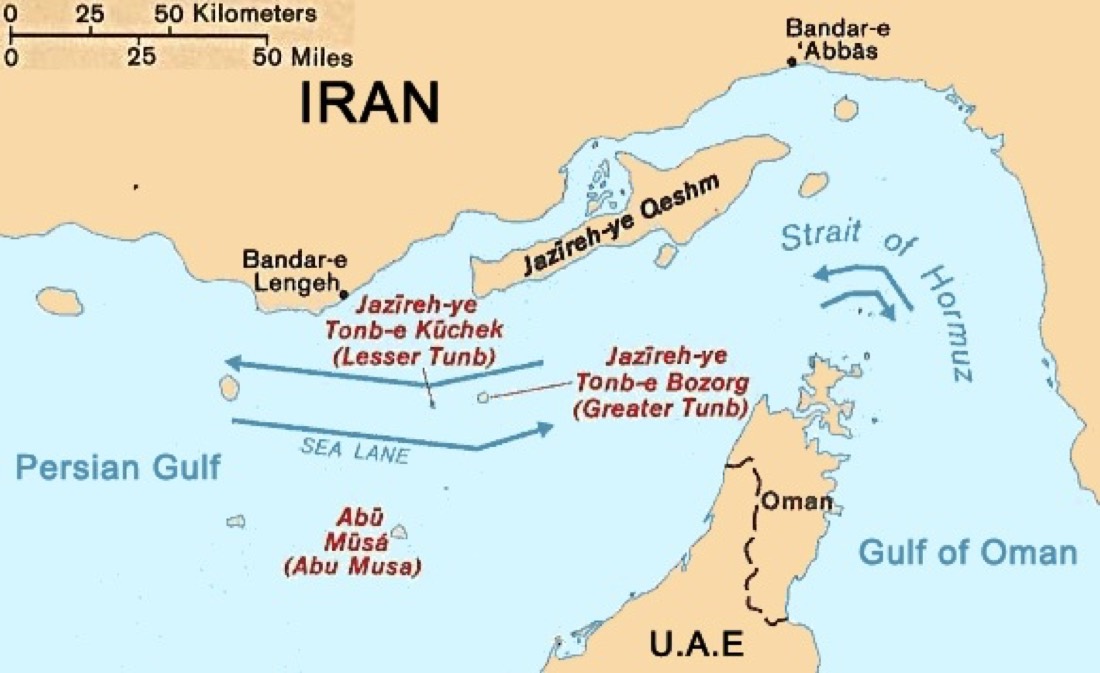
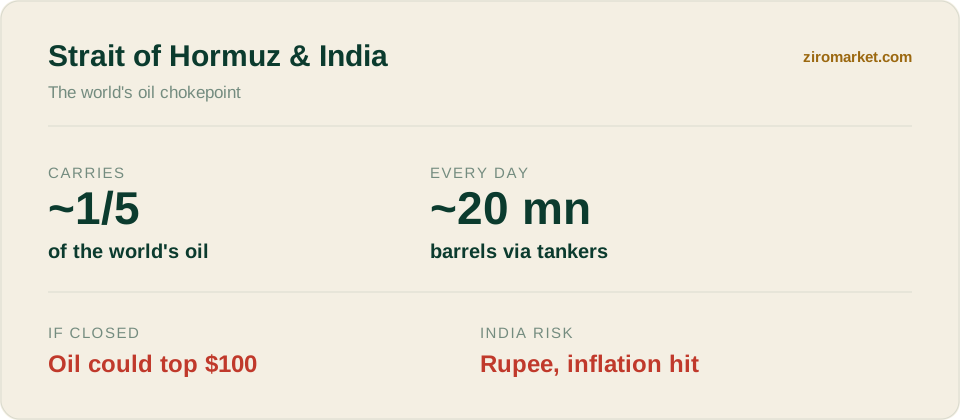
The geography does the damage. The Strait of Hormuz is a narrow channel between Iran and Oman through which roughly 20 million barrels of oil a day, about a fifth of global supply, must pass on tankers, along with a large share of the world's LNG. There is no wide alternative route for most of it, which is what makes the chokepoint so dangerous.
For India, the exposure is direct. India's crude import dependence crossed 90% in FY26, and a large share comes from Gulf producers, Saudi Arabia, Iraq, the UAE, whose oil sails through Hormuz. A closure would not just raise prices; it would threaten the physical supply of a big chunk of the oil the country runs on.
What a closure would do to India
The first hit would be the oil price itself. Analysts have long warned that a sustained Hormuz closure could send crude well above $100 and potentially toward $150 a barrel, because the roughly 20 million barrels a day cannot be easily rerouted. The partial version of it, with traffic restricted rather than stopped, was already enough to put Brent above $100 on 9 September 2026, as tracked on our crude oil price today page.
From there, the damage cascades through the economy in the way our how crude oil affects the Indian economy explainer lays out. A crude spike would blow out India's import bill, crash the rupee, and send inflation surging, on top of the 4.38% reading recorded in June, covered in our India June CPI piece. The rupee, which touched a record low just below 97 in May 2026 and traded near 94.8 in early September, would face intense pressure even with foreign exchange reserves near a record, at $780.78 billion in mid-September, as our rupee vs dollar today page shows.
The equity market would feel it too. Oil-using sectors like aviation, paints, and logistics would be squeezed, as our crude at $100 sector guide sets out, rate-sensitive banks and realty would suffer as inflation forced the RBI to stay tight, and the broad market would likely fall, the pattern already visible with the Nifty 50 near 23,635 on 9 September 2026. Fuel prices at the pump, so far frozen, would eventually have to rise if crude stayed high for long.
India's buffers, and their limits
India is not defenceless, but its cushions are limited. The country holds strategic petroleum reserves, has diversified its oil imports toward Russia and the US, and can lean on diplomacy, all of which soften a short disruption. Russian crude, which does not transit Hormuz, has become a meaningful share of India's imports and provides some insulation.
But the buffers only stretch so far. Strategic reserves cover a limited number of days, alternative supplies cannot fully replace Gulf oil overnight, and a global price spike hits India regardless of where its own barrels come from, because oil is priced on a world market. A sustained closure would overwhelm the cushions.
Why it probably will not fully close
History offers some comfort. Despite decades of threats, the Strait of Hormuz has never been fully closed for a sustained period, even during past Gulf wars, because a total shutdown would also choke Iran's own oil exports and invite an overwhelming international military response. That is why the market treats a full closure as a tail risk rather than a base case.
The July 2026 standoff fits that pattern: Iran declaring the Strait closed, Western navies insisting it is open, and shipping disrupted but not halted. For India, the lesson is that the Strait rarely shuts completely, but even the credible threat of it is enough to spike oil, weaken the rupee, and lift inflation. The chokepoint does not need to close to hurt; it only needs to look like it might.