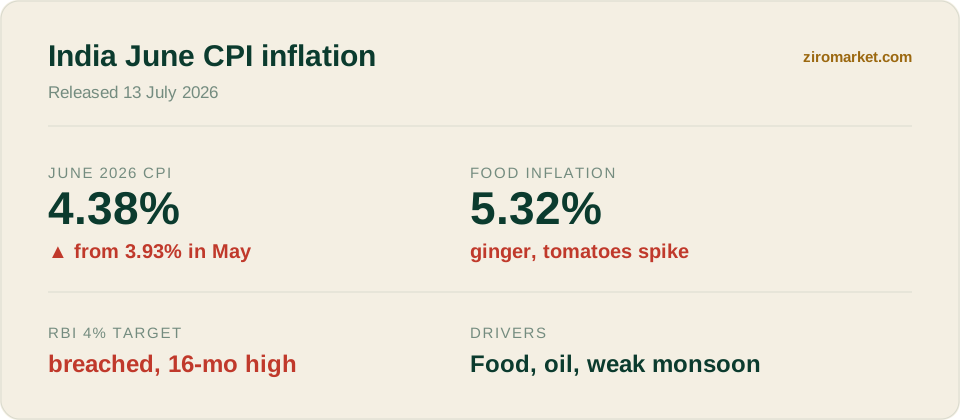
The number the market feared came in even hotter than expected. India's retail inflation rose to 4.38% in June 2026, up from 3.93% in May and its highest since December 2024, breaching the Reserve Bank of India's 4% target for the first time in 16 months, as food and fuel prices climbed. The data, released on July 13, landed just as an oil spike and a weak rupee were already straining the economy.
The culprit was mostly on the plate. Food inflation, which weighs heavily in the Indian basket, did most of the damage, with a few kitchen staples doing an outsized share of it.
What Happened
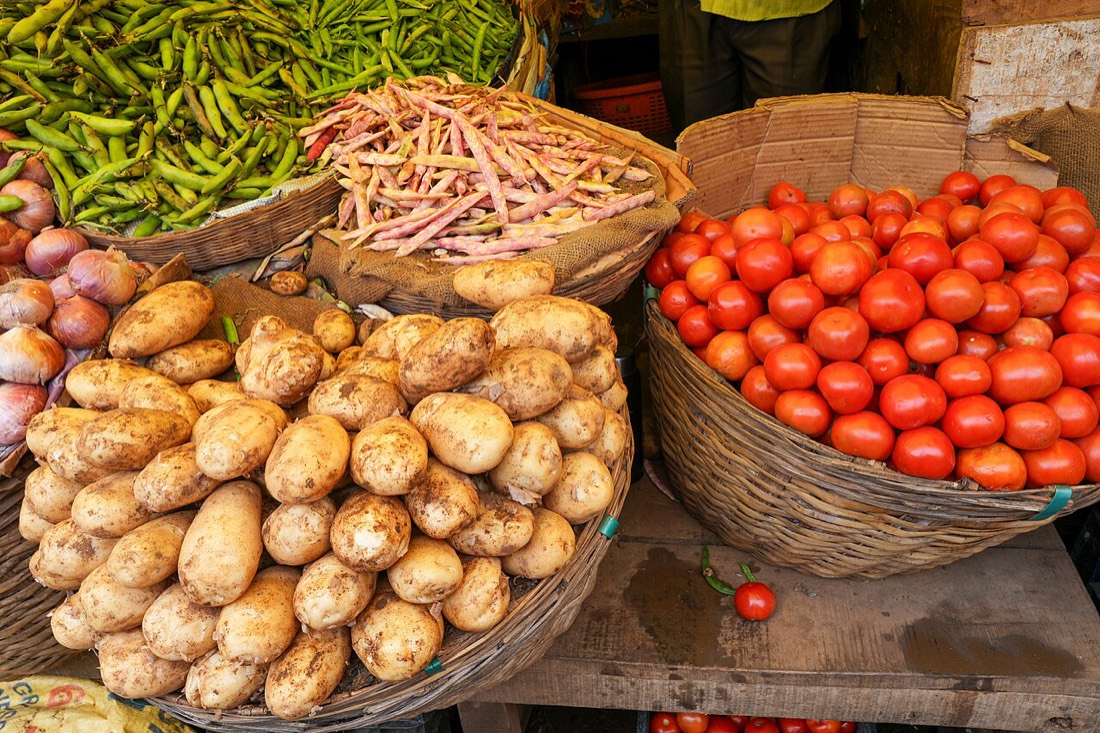
The rise was broad but food-led. Headline CPI climbed to 4.38%, above the 4.3% economists had forecast, while food inflation, the biggest single driver, rose to 5.32% from 4.78% in May. A handful of items led the surge, with ginger up 50.4% and tomatoes up 31.92% year-on-year, the kind of vegetable spikes that hit household budgets fast.
The split across the country was telling. Rural inflation ran hotter at 4.74%, while urban inflation was milder at 3.92%, reflecting how food price shocks hit rural households harder. Housing inflation was subdued at 2.10%, transport at 4.31%, and clothing and footwear at 3.23%, so the pressure was concentrated in food rather than spread evenly.
The timing sharpened the sting. The print came as crude oil surged on the US-Iran conflict, tracked on our crude oil price today page, and a weak monsoon added to food-supply worries, a combination that threatens to keep inflation elevated in the months ahead.
Why This Matters for Investors
The number complicates the interest-rate outlook. With CPI now above the RBI's 4% target, the case for near-term rate cuts weakens, and the central bank is more likely to stay cautious than to ease, which is a headwind for rate-sensitive sectors. Banks, real estate, and autos all feel the pinch when borrowing stays costly, and realty was among the weakest sectors as the market digested the data.
The oil link makes it worse. Because India imports most of its crude, the spike in oil during the Gulf conflict feeds directly into fuel and transport costs and, through them, into inflation, as our how crude oil affects the Indian economy explainer describes. A weaker rupee, which crossed 96 to the dollar, adds another layer by making imports costlier still, covered on our rupee vs dollar today page.
For the broader market, higher inflation plus a weak rupee plus costly oil is an uncomfortable mix that pressured equities, detailed in our Indian stock market today wrap. It shifts the focus from hopes of policy support toward managing a genuine cost-of-living squeeze.
Market Reaction
The data reinforced a cautious mood already set by the oil spike. Rate-sensitive financials, autos, and realty lagged as investors priced in a less accommodative RBI, while defensive pharma and metals held up better. Bond markets and the rupee also reflected the higher-for-longer rate risk.
The print itself was not a shock in direction, since economists had expected inflation to rise, but the beat above forecast and the sharpness of food inflation gave the market a fresh reason for caution on top of the geopolitical stress.
What To Watch
The first thing to watch is food and oil. Because both are driving inflation higher, the monsoon's progress and the direction of crude will shape whether June was a peak or the start of a climb. A better monsoon and cooler oil would ease the pressure; more of the same would keep it building.
The second is the RBI. Its commentary and next policy meeting will signal whether it sees June as temporary or a trend, which determines the rate path and the mood for rate-sensitive stocks.
The third is WPI, the wholesale inflation measure due around the same time, which offers a second read on price pressures building in the pipeline.
Risks to Monitor
The clearest risk is that oil stays high. A sustained crude spike from the US-Iran conflict would keep feeding fuel and transport inflation, making June's rise the beginning rather than the end.
A second risk is a poor monsoon. Weak or uneven rainfall would keep food prices elevated, since food is the biggest swing factor in Indian inflation.
The third is the rupee. A weaker currency imports inflation directly, so the slide past 96 to the dollar could add to price pressures if it continues. This is general information, not investment advice.
June's 4.38% is a reminder that India's long stretch of comfortable inflation has met its first real test in over a year. With oil elevated, the rupee weak, and the monsoon uncertain, the question now is whether this is a one-month blip driven by ginger and tomatoes, or the leading edge of a broader squeeze that reshapes the RBI's plans for the rest of 2026.