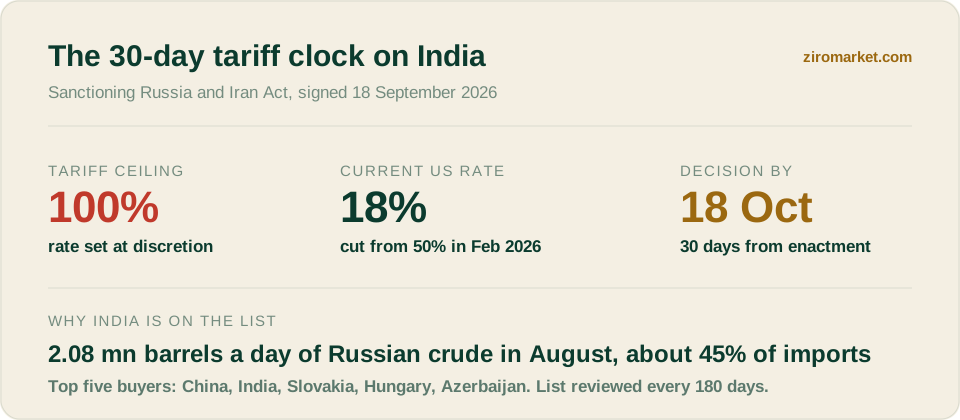
India got its American tariff cut from 50% to 18% in February partly by signalling it would stop buying Russian crude. It kept buying, importing roughly 2.08 million barrels a day of Russian oil in August 2026, about 45% of its total. On 18 September 2026 that gap between the signal and the shipments became a legal problem.
President Trump signed the Lindsey O. Graham Sanctioning Russia and Iran Act of 2026 into law on 18 September, authorising tariffs of up to 100% on the five largest purchasers of Russian energy and directing action within 30 days of enactment. The five, as things stand, are China, India, Slovakia, Hungary and Azerbaijan.
Nothing has been imposed. The law creates authority and a deadline, not a rate, and the clock it started runs to roughly 18 October 2026.
What the law actually does
It is broader than the tariff headline suggests. H.R. 5334 sanctions Russian officials, oligarchs, financial institutions and the shadow tanker fleet used to evade existing restrictions, extends the Iran Sanctions Act of 1996 through 2031, and sunsets its own Russia provisions five years after enactment.
The passage was not close. The Senate cleared it 86-11 in August 2026 and the House of Representatives passed it on 16 September, which matters because a law with that margin is difficult to unwind if the diplomacy changes.
The tariff authority is discretionary in rate but directive in timing. The President chooses anywhere up to 100%, and the list of significant purchasers is reassessed every 180 days, so a country can leave the list by changing its buying rather than by negotiating an exemption.
Why this lands harder on India than it looks
Because India already traded this card once. On 2 February 2026 the United States cut its reciprocal tariff on most Indian goods from 50% to 18% and separately removed a 25% penalty tariff imposed over Russian oil purchases, a removal framed as recognition of an Indian commitment to stop buying.
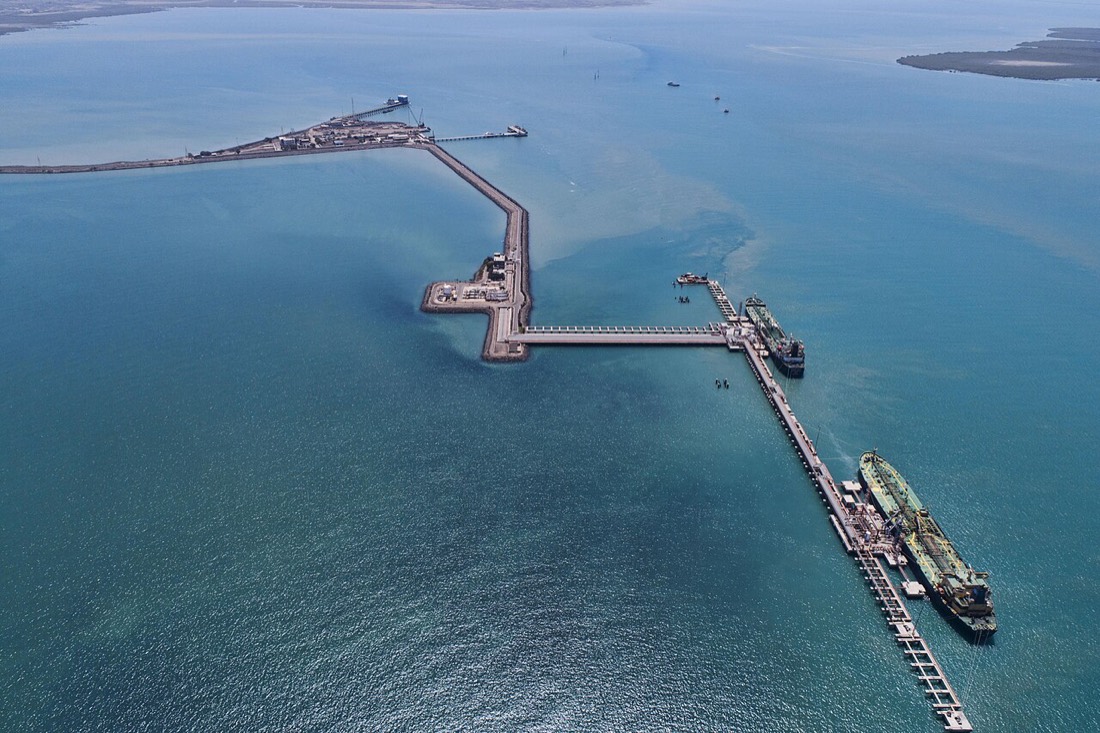
The purchases did not stop. India bought about $40.8 billion of Russian crude in FY2026, close to a third of its total crude import bill, because discounted Russian grades are worth billions of dollars a year to an economy that imports more than nine barrels in ten.
That leaves India arguing for preferential treatment from a position where its side of the February understanding is visibly unfulfilled, which is a harder conversation than the one Commerce Minister Piyush Goyal was having on 4 September when he said a deal depended on terms that beat what Vietnam and Bangladesh receive.
Market reaction
Indian equities did not price it as an emergency. The Nifty 50 closed at 23,346.40 on 18 September 2026, up 0.33%, and the Sensex ended flat at 74,294.96, though both booked a sixth consecutive weekly decline, as our Indian stock market today wrap covers.
The currency was steady too. The rupee closed at 95.88 to the dollar on 18 September and firmed to 95.81 on 21 September, helped by Brent easing from $103.87 to about $101. The calm reflects the gap between authority and action rather than any judgement that the risk is small.
What investors should watch
The first is whether the administration uses the authority inside the 30-day window ending around 18 October 2026, and at what rate. A 10% increment and a 100% increment are the same law with entirely different consequences.
The second is India's import mix over October and November. Leaving the top-five list is a purchasing decision, not a negotiation, and refiners can shift grades faster than governments can sign agreements. Our India resumes Iranian oil imports piece covers how quickly that basket has moved before.
The third is which goods any tariff touches. Textiles, leather, gems and jewellery, chemicals and machinery sit inside the 18% line and compete on price against Vietnam and Bangladesh, as our US tariffs and India's exports analysis sets out.
The fourth is oil itself. Brent near $101 on 21 September, down from a $108.75 peak, gives India breathing room it did not have a week earlier, and the value of the Russian discount shrinks as the outright price falls, tracked on our crude oil price today page.
Risks to monitor
The second risk is the 180-day review. A country that reduces purchases can fall off the list at the next reassessment, which means the tariff threat recurs rather than resolving, and recurring threats are harder to plan capital expenditure around than a single settled rate.
The third runs the other way. India has a genuine card to play, since a shift away from Russian barrels tightens the global market and raises the price everyone pays, including American drivers. This is general information, not investment advice.
India spent February trading a promise about oil for a tariff cut worth billions in export orders. Seven months later the oil is still arriving, the law has been signed, and the bill for that arithmetic is now due within 30 days.