Washington did it again. Federal funding lapsed on 1 October 2026 as the new fiscal year began, triggering a US government shutdown despite a stopgap funding bill having cleared the House in September, and furloughing most of the staff at the Bureau of Labor Statistics just a day before the September jobs report was due.
The timing is awkward for more than one reason. The shutdown lands four weeks before the Federal Reserve's next rate decision and in the same week India's own central bank meets, at a moment when a fresh oil shock has already made the macro picture harder to read on both sides of the world.
What Happened
A stopgap funding bill had passed the House in September 2026 by a wide margin, intended to keep the government funded through 11 December, but it did not clear in time to prevent a lapse when the 2027 fiscal year opened on 1 October. The result was a shutdown that furloughed large parts of the federal workforce, including most of the economists and statisticians at the Bureau of Labor Statistics.
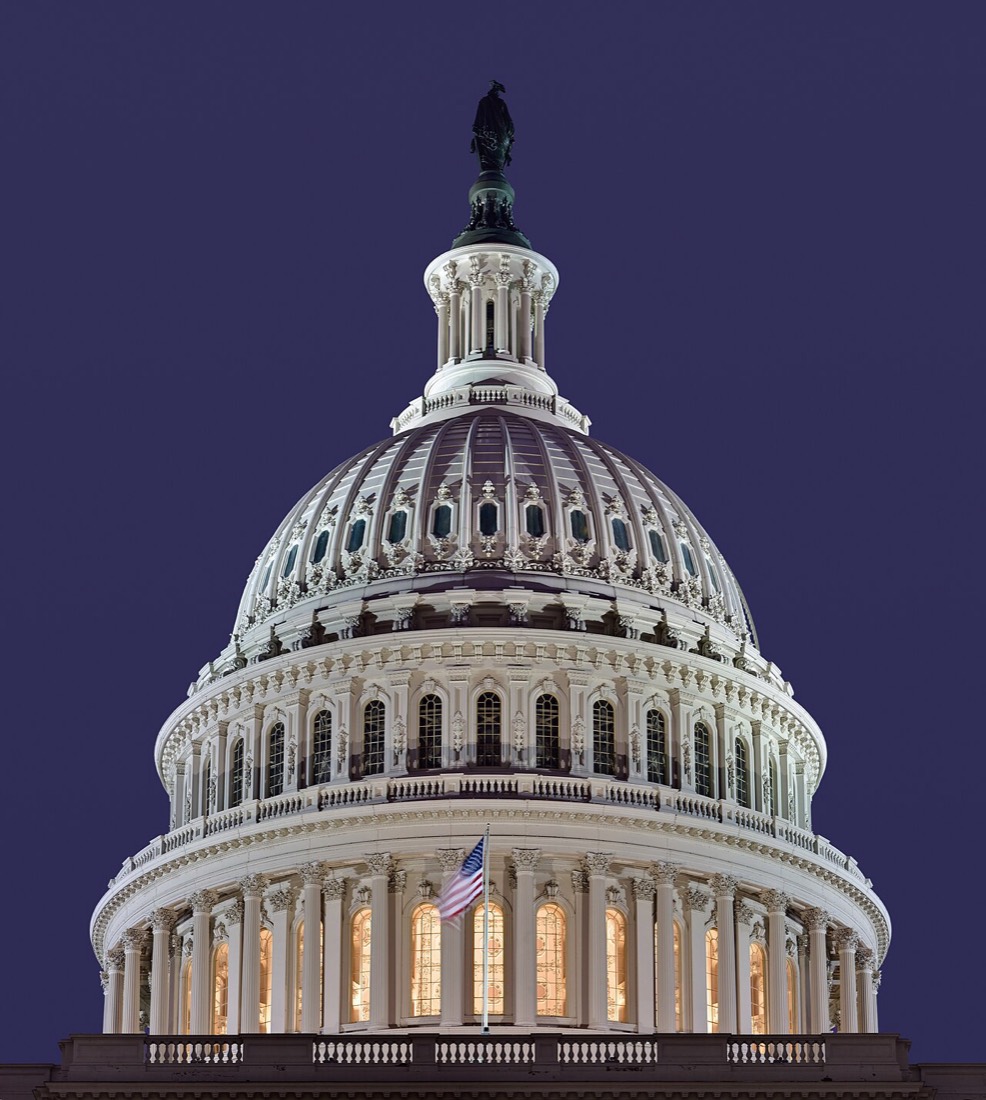
The most immediate casualty was data. The September jobs report, due on Friday 2 October, did not come out on schedule, and any further releases, including inflation data, are now at risk if the lapse runs long. Market commentary described the mood on the day as one of traders having to make decisions with less information than usual, rather than outright panic.
Why This Matters for Investors
A US government shutdown is not, by itself, a market-moving event in most cases. Markets have generally treated brief lapses as political noise rather than an economic one, since government spending resumes and furloughed workers are typically paid retroactively once funding returns.
What makes this one worth watching is the data gap it creates right before a Fed meeting. The Federal Open Market Committee's 27-28 October decision would normally lean on a fresh jobs report and inflation print, and a shutdown that drags on removes some of that evidence, forcing the committee to decide with an incomplete picture, similar to the uncertainty investors faced during the 2018-2019 shutdown, the next most recent comparison point before 2025's 43-day lapse.
For India, the connection runs through the dollar and global risk appetite rather than anything direct. A shutdown is a mild negative for US growth sentiment, which can weaken the dollar, but political dysfunction in Washington has just as often pushed capital toward the dollar as a safe haven instead, so the net effect on the rupee is genuinely unclear until the duration becomes known.
Market Reaction
The initial reaction was a dip, not a rout. The dollar and US equity futures softened on the shutdown headline, but by the close on 1 October 2026 the S&P 500 was up 0.19% at 7,666.45, the Dow Jones Industrial Average added 0.04% to 50,926.56, and the Nasdaq Composite rose 0.04% to 26,871.60, helped by Treasury yields pulling back from their highest levels in more than two decades.
Indian markets had their own, larger story to react to the same day. The Nifty 50 fell 0.88% to 22,421.95 and the rupee weakened to about 96.3 per dollar on 1 October, moves driven primarily by Brent crude's jump to $102.31 on a separate report of a third US aircraft carrier heading toward the Middle East, covered in our third US carrier and oil spike piece, rather than by the shutdown itself.
The muted US reaction so far matches the historical pattern. Shutdowns under two to three weeks have rarely moved markets much on their own; the exceptions are the ones that stretch on, which is exactly what makes duration the number to watch here.
What Investors Should Watch
The first is how long the lapse lasts. The 2025 shutdown ran 43 days, the longest in US history, and even after it ended, delayed data releases took weeks to fully catch up, a pattern that would repeat if this one follows a similar path.
The second is what the Federal Reserve does with less information. A Fed that proceeds on 27-28 October without a fresh jobs report or inflation print may lean more heavily on its own anecdotal reads of the economy, which tends to make the post-meeting statement and press conference carry more weight than usual.
The third is whether the dollar weakens or strengthens from here, since both directions have historical precedent during past shutdowns and the net effect on the rupee and Indian foreign portfolio flows depends heavily on which one plays out.
The fourth is whether this shutdown becomes entangled with other live risks. It lands in the same month as a US tariff decision on the largest buyers of Russian energy, due around 18 October, and a fresh oil shock from the Middle East, so a prolonged shutdown would be one more variable layered onto an already crowded calendar, as our stock market October 2026 what to watch piece sets out.
Risks to Monitor
The second risk is compounding. A long shutdown alongside an unresolved oil shock near Iran and a pending US tariff decision on Russian-oil buyers would stack three sources of uncertainty inside the same month, each manageable alone but harder to read together.
The third is the precedent itself. Two shutdowns inside twelve months, in October 2025 and again in October 2026, suggest the underlying budget disagreement has not actually been resolved, only postponed, which raises the odds of this becoming a recurring feature of the US fiscal calendar rather than a one-off event. This is general information, not investment advice.
A government that cannot fund itself is, in the end, a problem Washington creates and Washington solves. The part worth watching from Mumbai is not the shutdown itself, but how much economic visibility it costs the world's most-watched central bank in the weeks before it has to make a decision that reaches every other market, including this one.