EBITDA is the most quoted profit number in Indian corporate presentations and the least defined. EBITDA is earnings before interest, taxes, depreciation and amortisation, which means it deliberately excludes the cost of borrowing, the cost of government, and the cost of assets wearing out.
The reason it exists is comparison. Two companies running identical operations can report very different net profits purely because one borrowed to build and the other did not, and EBITDA strips that difference out so the operations can be compared directly.
The reason to be careful with it is the same fact stated differently: the costs it removes are real, and somebody pays them.
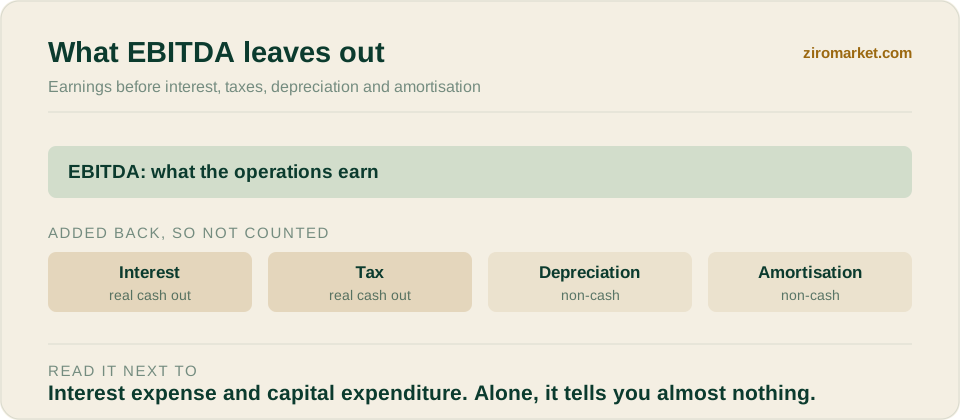
How to calculate it
Two routes reach the same number. Start at net profit and add back interest expense, tax expense, depreciation and amortisation, each of which is a separate line in the profit and loss statement. Or start at revenue and subtract only operating costs.
Depreciation and amortisation are the non-cash pair, which is the honest argument for EBITDA. Neither leaves the bank account this year. Interest and tax do, which is the honest argument against it.
What it hides, with numbers
Scale makes the point. The Adani Group reported EBITDA of about Rs 94,834 crore, roughly $10 billion, in FY26, against a gross asset base running into lakhs of crores across ports, airports, transmission and renewable energy.
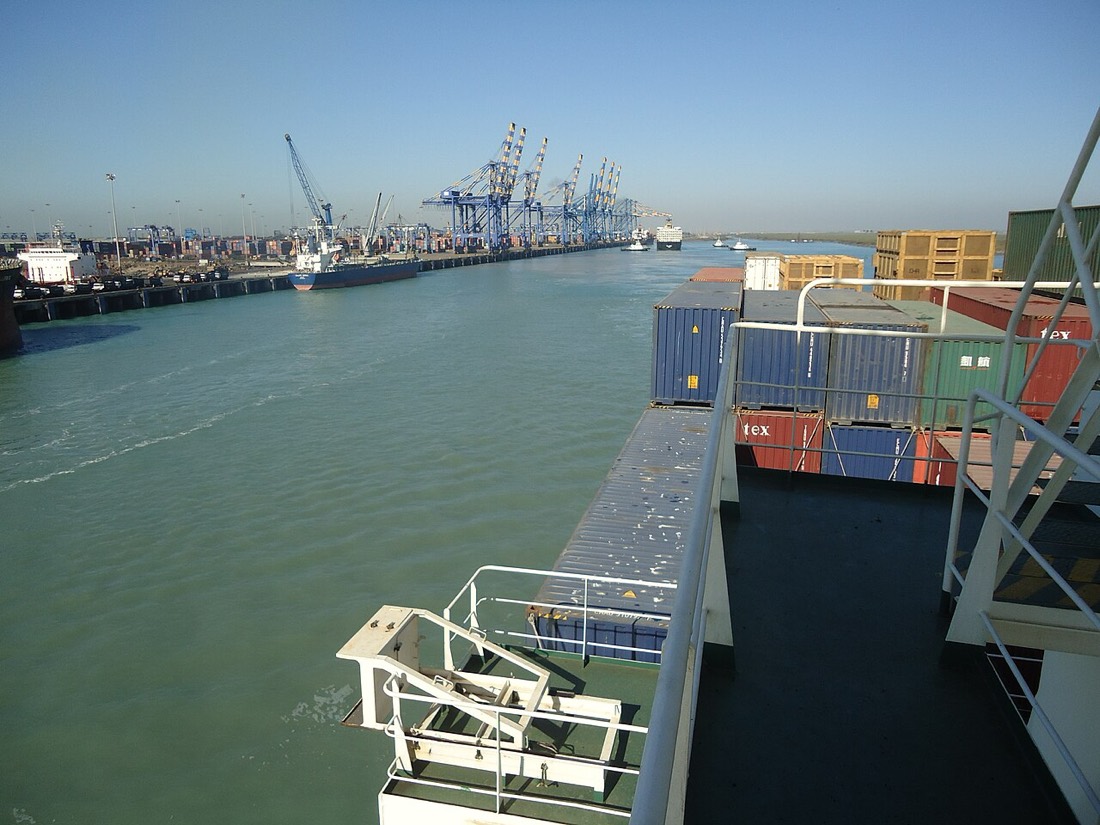
Assets on that scale depreciate heavily, and building them required borrowing that charges interest every year. Neither cost appears anywhere in that Rs 94,834 crore, which is why the number is a fair measure of operating performance and a poor measure of what reaches shareholders. Our Adani FY26 capex and EBITDA piece works through the full picture.
Vodafone Idea shows the extreme. Its FY26 operating profit before depreciation, roughly its EBITDA, was about Rs 18,859 crore, but its interest bill was about Rs 21,495 crore, so a company with a positive headline EBITDA could not cover its interest from operations at all, before a rupee of spectrum amortisation was counted.
The reverse case is more interesting. Blinkit reported adjusted EBITDA of about Rs 102 crore in Q1 FY27, up from Rs 37 crore in the previous quarter, its second consecutive profitable quarter on that measure, which for a quick commerce business is the first evidence the unit economics work at all, as our Eternal Q1 FY27 analysis covers.
The word "adjusted" is where to look
EBITDA is not defined under Indian Accounting Standards, so a company can present it as it chooses, and the variant that appears most often in new-age company disclosures is adjusted EBITDA.
A listed company must reconcile any such measure back to a reported figure. The reconciliation table is usually in the investor presentation or the notes, and it is the only place the size of the adjustments is visible.
Where EBITDA is genuinely the right tool
It has legitimate uses, and lenders rely on it. Debt covenants are commonly written as a multiple of EBITDA, because a lender wants to know whether operations generate enough to service interest before the interest is deducted, which would otherwise be circular.
It also helps across borders and tax regimes. Comparing an Indian manufacturer with a European one on net profit mixes in two different tax codes; comparing them on EBITDA margin does not.
And in sectors where everyone is heavily capitalised, it is the practical common denominator. Telecom, cement, ports and power are compared on EBITDA as a matter of course, with debt to EBITDA doing the work that our debt to equity explainer covers from the balance sheet side. The cash version of the same question, which subtracts what EBITDA ignores, is what free cash flow is.
The one habit worth building
Read EBITDA next to two other numbers, never alone: interest expense and capital expenditure. If interest consumes a large share of EBITDA, the operating performance belongs mostly to lenders. If capital expenditure exceeds it year after year, the business is consuming cash regardless of how the profit line reads.
That pairing is also the fastest way to tell a genuine turnaround from a presentational one. A company whose EBITDA rises while interest costs fall is deleveraging; one whose EBITDA rises while borrowings rise is buying growth, and the two look identical if you only read the headline slide.
Every profit measure is an argument about which costs matter. EBITDA argues that financing, tax and the slow death of machinery are somebody else's problem, which is true right up until the loan comes due.